
Article February 23, 2026
How TradeWinds Academy uses King’s InterHigh to expand offerings in remote Kenya
Nestled in a remote county of Kenya, TradeWinds Academy stands as the region’s only international school – a haven for globally minded families seeking quality education without uprooting their lives. It was established in 2017 to support children from ages 2 to 11.
Since opening its doors, the school has transformed the surrounding area into what Greg proudly calls “a town for families.” Young working parents have increasingly chosen to settle in this community, drawn by the promise of British curriculum teaching for core subjects and International Curriculum Association standards for everything else.
Challenges for older students
As TradeWinds’ student population grew, from 37 children in 2017 to over 140 today, the school faced a dilemma. For children approaching GCSE age, families faced difficult choices: relocating to Nairobi, sending children to boarding schools, or enduring long daily commutes of up to 2 hours to Mombasa.
“One of our core values of the school is belong,” explains Greg Scullion, Headteacher at TradeWinds Academy. “We didn’t want to split families. We didn’t want to lose younger siblings because their brothers and sisters were having to go to school somewhere else. We wanted to keep the community together.”
Financially, offering a full face-to-face GCSE programme with a wide range of subject choices was unsustainable in such a remote location. TradeWinds needed a solution that would allow students to pursue their academic ambitions without leaving the community that made the school special.
Growing beyond geographical limitations
The school had already expanded its age range from 2-11 to accommodate pupils up to 14, but as interest grew, that temporary solution was reaching its limits.
“We needed a way to offer not just GCSEs, but the kind of subject variety that would let our students pursue their individual passions and prepare for their futures,” Greg explains.
TradeWinds was already registered with Pearson Edexcel as an assessment centre and met JCQ regulatory requirements, providing a strong foundation for quality education. What the school needed was a partner to deliver GCSE education with breadth and flexibility that a small, remote school couldn’t provide on its own. As more families enquired about GCSE options and current families reluctantly began making contingency plans for their older children, the urgency grew.
After extensive research, TradeWinds chose to partner with King’s InterHigh, reassured by our experience supporting other remote international schools worldwide.
"We found that everybody from King's InterHigh was incredibly receptive," Greg recalls. "We weren't having to wait for any great length of time in order to get a response to any query that we had."
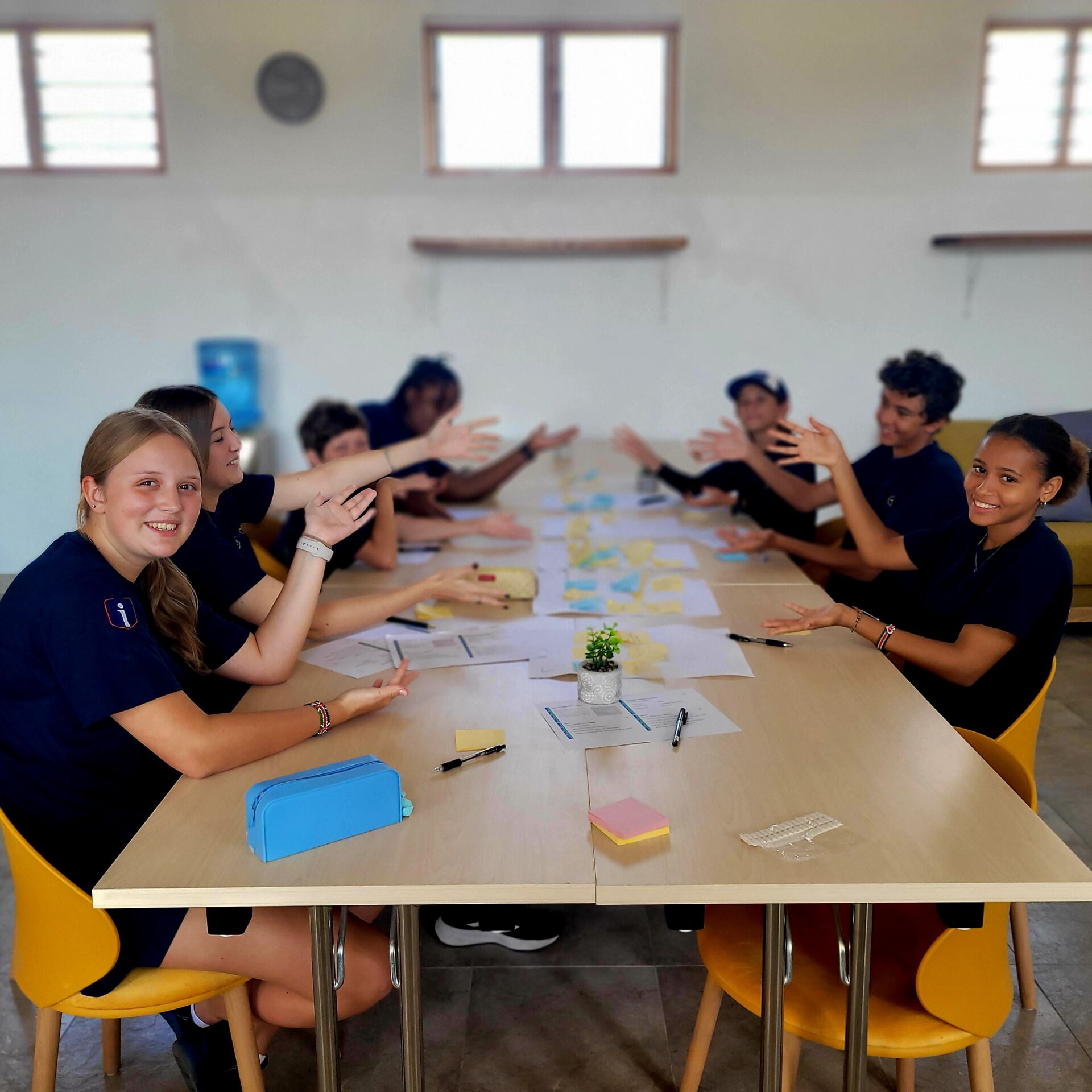
This responsiveness proved crucial as the school navigated the implementation of a hybrid model that had never been attempted in its region. In this set-up, eight of TradeWinds students would remain physically present in the school’s premises, maintaining their connection to the school community while accessing full-time online education.
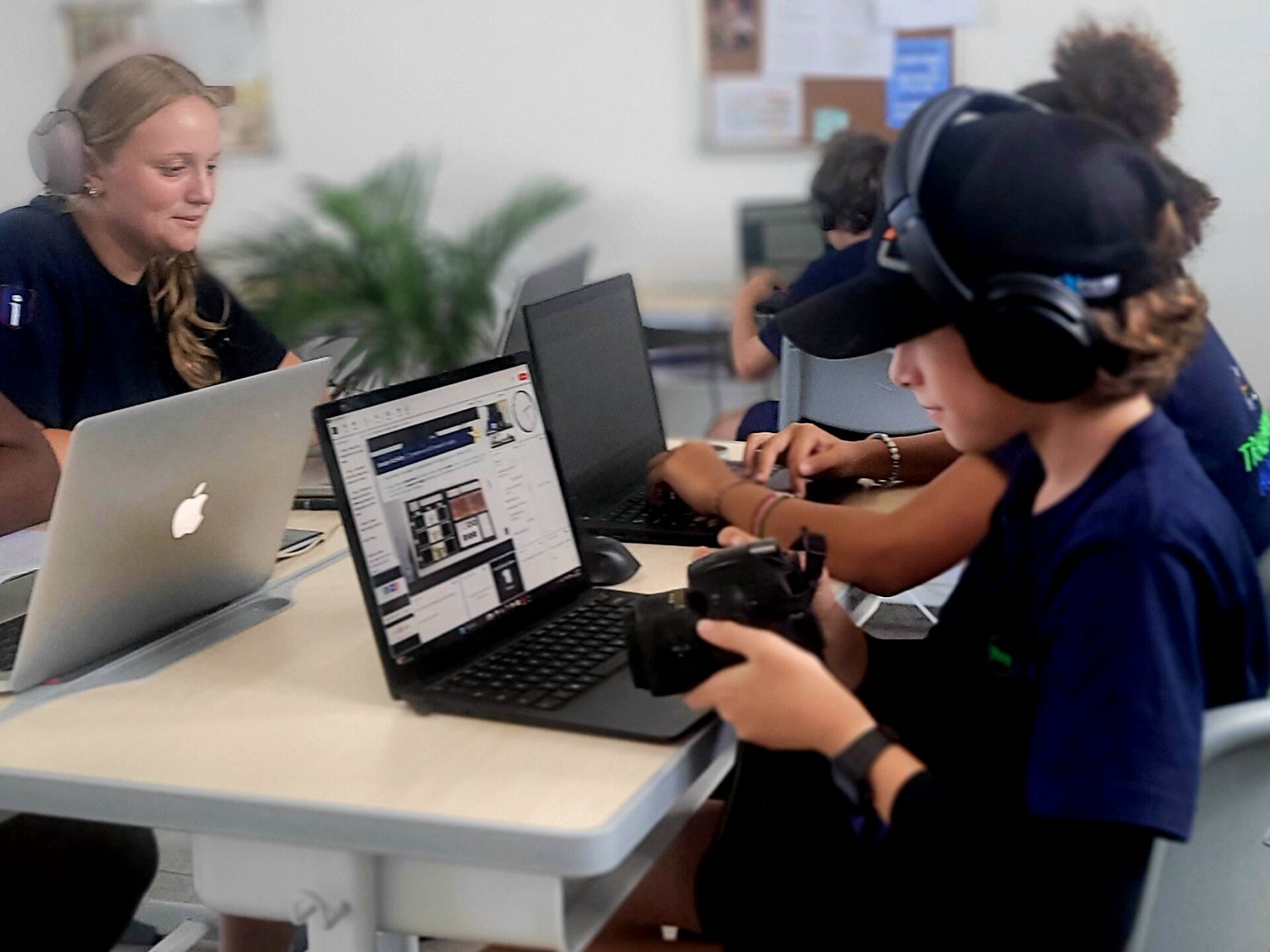
They could attend King’s InterHigh’s live, interactive lessons led by subject-expert teachers, revise course materials, and participate in school activities on our online platform. The breadth of subjects offered at GCSE level (over 20) is what drew TradeWinds to King’s InterHigh initially, but curriculum aside, the flexibility students have gained is unmatched.
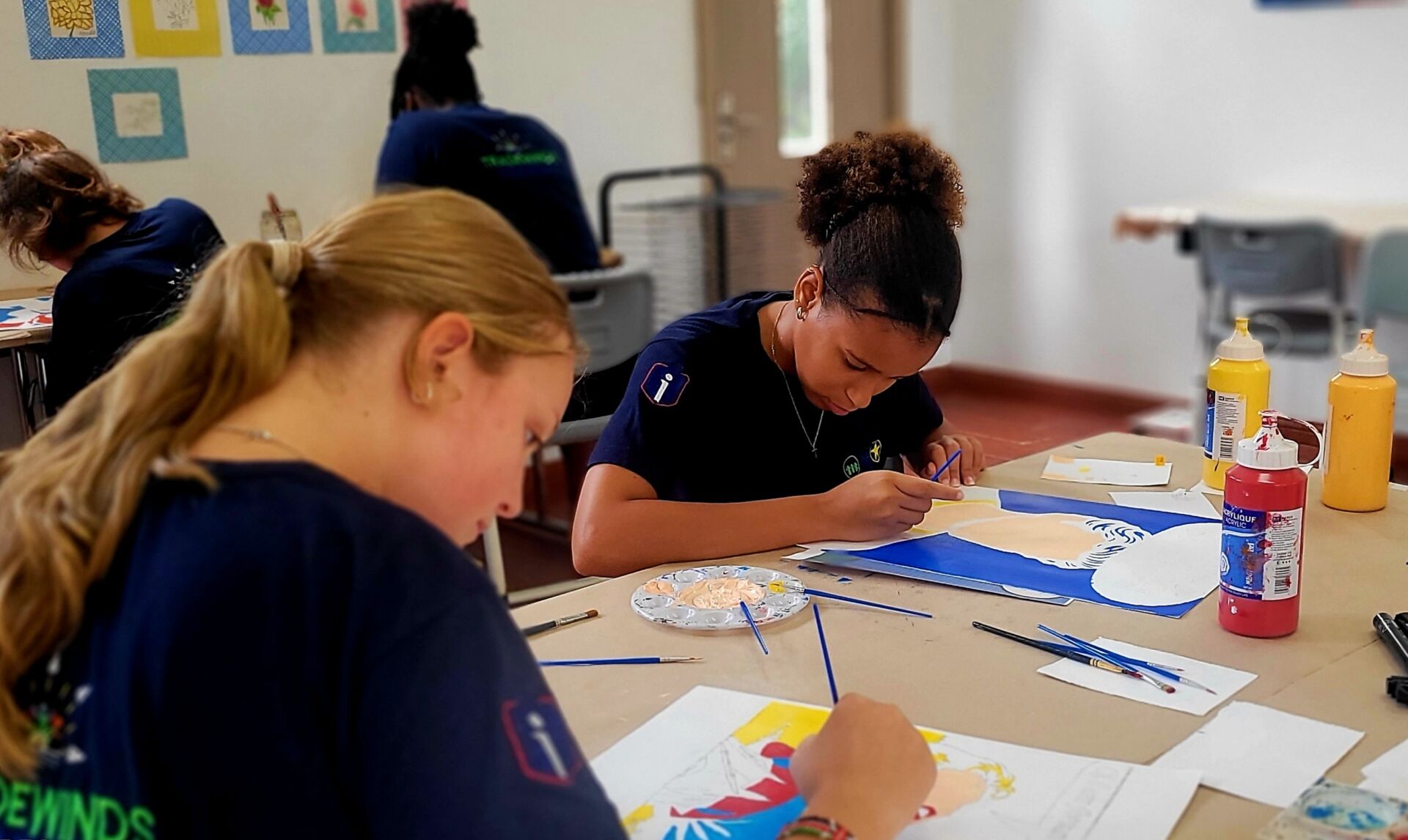
“It’s really the best fit. It’s the best of both worlds option,” Greg says. “The fact that they have such a broad range of subject choices is something we would never have been able to offer. And yet the students still get to spend weekends with their families, their evenings with their families, they get to see their friends, they get to socialise, they get to develop as young people rather than just young products of the academic system.”
TradeWinds established three distinct learning spaces:
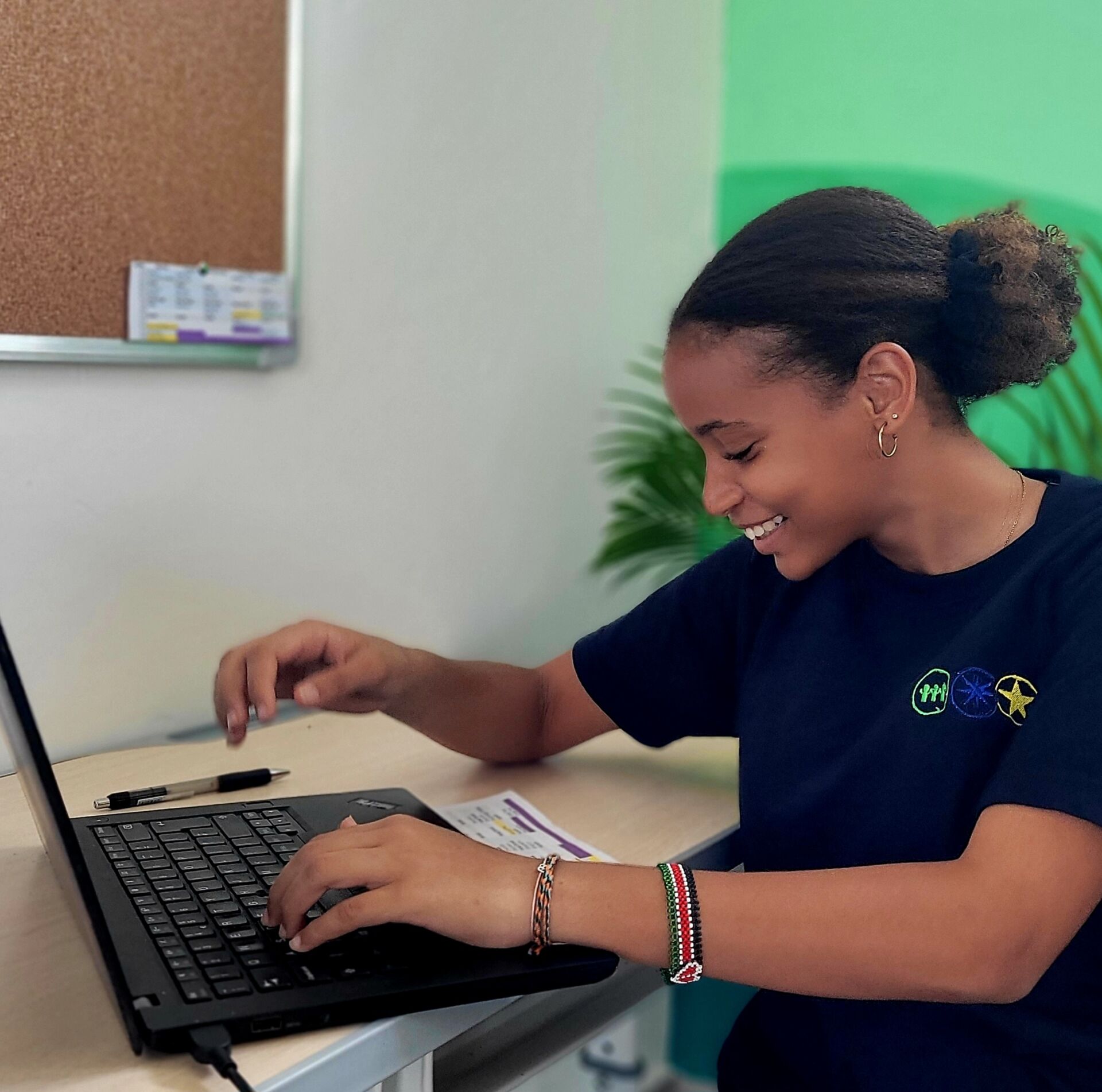
- a formal “green room” with individual workstations where pupils attend supervised live lessons;
a relaxed common room with sofas and beanbags where they complete discovery elements and independent tasks;
a “blue room”, currently in the works, that will blend comfortable and formal seating options.
And despite the smaller-than-usual cohort of eight students, these young people have found they can develop stronger bonds and more meaningful connections. “One student said the school was small, the group was small. It was a lot calmer and quieter than his previous high school experiences, and even though there are fewer people, he actually talks to more people.”
Early impact: new academic horizons
The range of subjects now available has transformed pupils’ academic horizons. One student interested in law is doing their City and Guilds international relations course when they discovered psychology couldn’t be assessed locally at GCSE level – a flexibility that would have been impossible before. Some students are pursuing art and photography to enter more creative fields.
Perhaps most importantly, students are developing crucial life skills alongside their academic growth. They’re learning to email tutors professionally, submit assignments digitally, and take ownership of their educational journey. As Greg puts it with evident satisfaction, “I’m not driving the bus anymore… they are, they’re in charge of their own destiny.”
Students report loving the ability to rewatch lessons, revisit content they didn’t initially understand, and access the kind of quality international education that matches their ambitions – all while remaining part of their cherished school community.
Share: