
Join our next online open event
Hear from our leaders about what makes our school so special.

20
Pioneering world-class online education, personalised and accessible to every child
12,500
We’ve empowered over 12,500 students to thrive, in school and beyond
50+
As part of the King’s College Group, we inherit over 50 years of prestigious, international schooling
of our A-Level students received their choice of university
of our IB students got into their first-choice university
point average score achieved by our IB students, above the global average
We are DfE and Cambridge International-accredited, as well as an approved Pearson Edexcel Online Centre. Whether you choose Cambridge International or Edexcel A-Levels, you can study online with full confidence in the quality and recognition of your qualifications. On top of this, we provide extensive support to help you succeed.
Get exam help with subject-specialist drop-in clubs
Improve your confidence with targeted study skills workshops
Access dedicated revision guidance through the Pastoral Programme
Benefit from high-quality academic and character references
Tap into a unique network of 12,500+ alumni students
Specialised support for competitive Oxbridge and medicine routes
Benefit from continuous support throughout uni applications
Expert advice on career paths, apprenticeships, and placements
Get academic and character references to support your offers



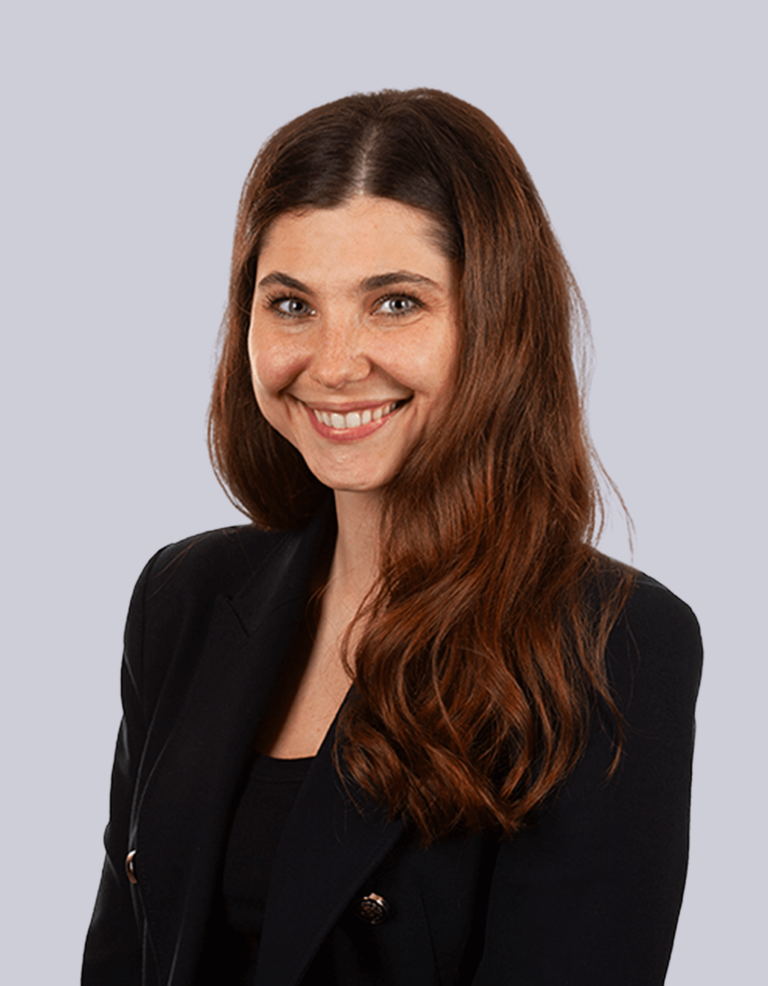
Viktoria Papen
Head of Sixth Form
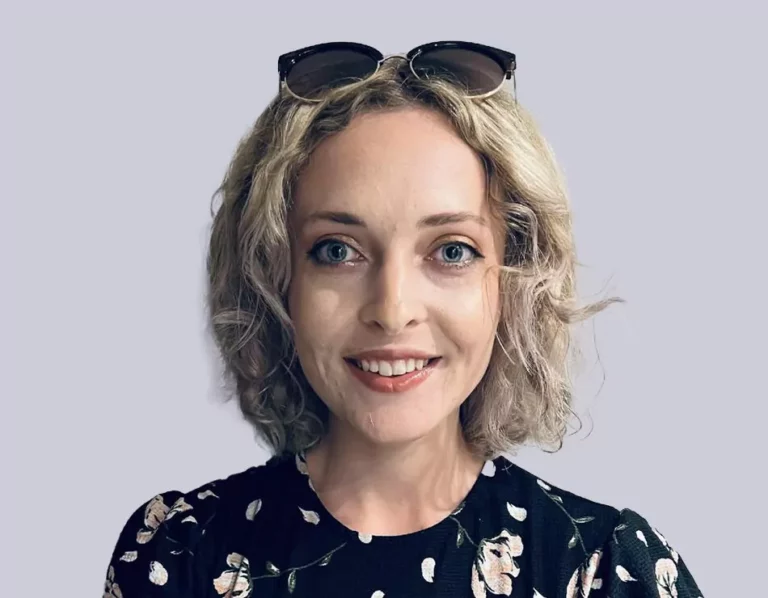
Emily Fishman
IB Coordinator
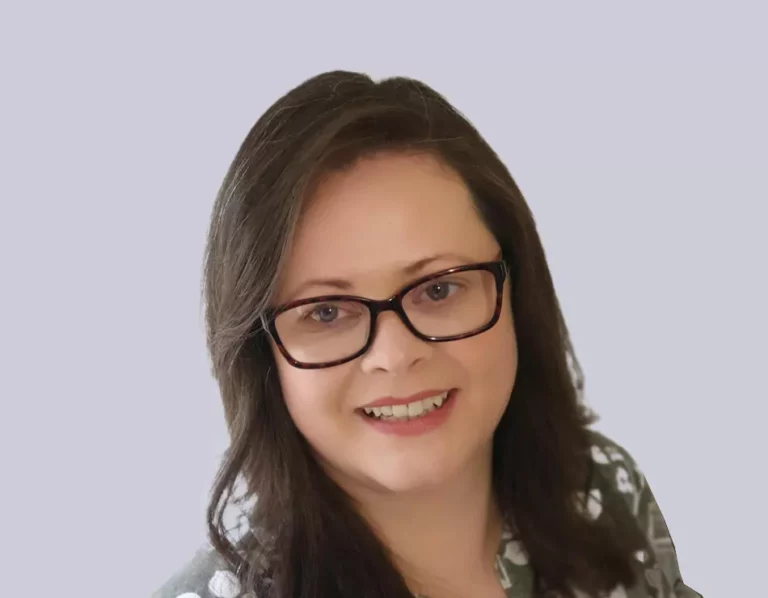
Jennie Phipps
Head of Faculty Humanities
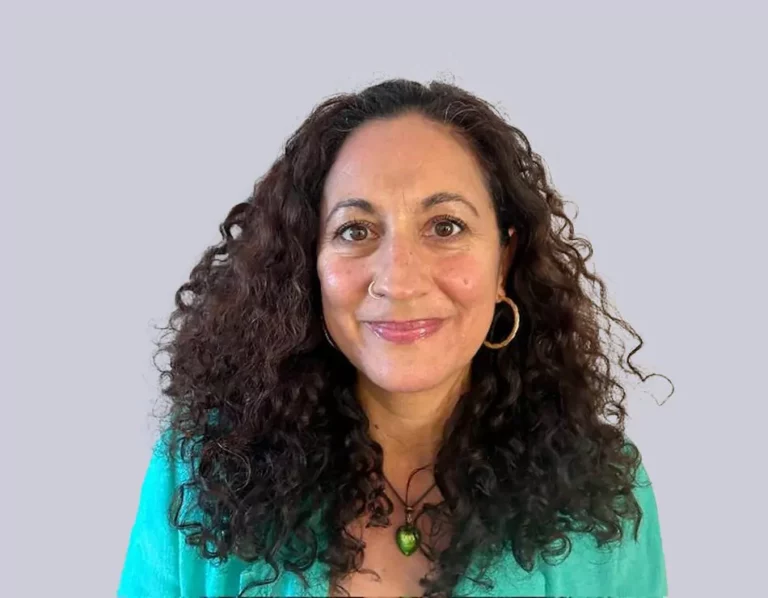
Rabina Ramsay
Head of Sociology and Psychology

Rachel Rosser
Head of Year 12
Rebecca Mclachlan
Leader of Learning for Creative Media
Tahoora Khalil Urehman
Head of Middle East and Southeast Asia
Viktoria Papen
Head of Sixth Form
Viktoria brings a wealth of experience and a deep commitment to education and leadership to King’s InterHigh. After earning both Bachelor’s and Master’s degrees in Education from Germany, her journey began with teaching English and German to adults and volunteering with primary school children from diverse backgrounds, including international refugees.
Her career has progressed through various roles in comprehensive and grammar schools, leading to leadership positions such as Assistant Headteacher and Head of Sixth Form in London. With a strong focus on Key Stage 5 education and research, she has consistently guided students seamlessly from secondary school to the next stages of their lives. A dedication to student welfare has been central to her work, including her role as Deputy Designated Safeguarding Lead, ensuring that every young person is supported and protected.
Beyond classroom responsibilities, she has contributed to the broader educational landscape by designing national exams in Germany, serving as a public examiner in the UK, and volunteering as a safeguarding governor at a primary school in London. Since 2019, she has also organised the annual KS3 German Study Day at the British Film Institute, promoting cultural education and enriching students’ learning experiences.
Her commitment to global learning extends to having led educational trips across Asia, North America, and beyond, enriching both her students’ experiences and her own. A passionate traveller, she also enjoys exploring new destinations privately, further broadening her perspectives.
Emily Fishman
IB Coordinator
Emily is our IB Coordinator. She holds a Master’s degree in History from the University of Cambridge and brings with her over seven years of experience teaching history and politics. She has taught across multiple curriculums, including UK and Cambridge International A levels and the IB Diploma. Outside the classroom, Emily has worked as an examinator for AQA and Edexcel and led the Extended Essay coordinator and the Extended Project Qualification.
Jennie Phipps
Head of Faculty Humanities
Jennie is our Head of Humanities Faculty, overseeing geography, history, religious studies, classics, law, international relations, psychology, and sociology. She holds a BA (Hons) in History and a PGCE with QTS in Secondary History, bringing with her over two decades of teaching experience. Having joined King’s InterHigh in 2017, her aim is to continue fostering critical thinking and nurturing a love for learning within an inclusive, accessible, and supportive online environment.
Rabina Ramsay
Head of Sociology and Psychology
Rabina is our Head of Subject for sociology and psychology. She has been teaching for over 15 years, spending the past five academic years at King’s InterHigh. Passionate about social sciences, Rabina loves to introduce students to these subjects and encourage new ways of thinking. As a prolific reader of all things brain-related, she always has a psychology book on her shelf. She loves sharing her newfound knowledge with students in class and seeing them develop as social scientists and inquisitive thinkers.
Rachel Rosser
Head of Year 12
Rachel is our Head of Year 12 and Leader of Learning for biology. She has a BSc (Hons) in Psychology and a PGCE with QTS in Science, specialising in Biology. A Place2Be Schools Mental Health Champion, Rachel is trained in psychological first aid for young people, and she is passionate about supporting all students to achieve their ambitions. She loves to share her passion for biology with her students and help them understand current world trends in biodiversity and climate change.
Rebecca Mclachlan
Leader of Learning for Creative Media
Rebecca is our Leader of Learning for creative media. She has been an art and design teacher for over 15 years, and a Head of Department for five years prior to joining King’s InterHigh. Rebecca specialises in illustration, which she studied at university, and loves to explore creative skills with her students. Outside of the classroom, Rebecca enjoys spending time with her family, exercising, and creating fine line tattoos as an extension of her creativity.
Tahoora Khalil Urehman
Head of Middle East and Southeast Asia
Tahoora’s teaching career began in state schools and multi-academy trusts, where she eventually progressed to a vice principal role. After several years of this, she moved to the UAE to work in school leadership positions. While here, she took on as many duties as possible, including inspection work and ministry remits.
As an experienced education leader, Tahoora is responsible for guiding King’s InterHigh’s learners on the Gulf Standard Time and the Southeast Asia timetable. By studying on any of our universal timetables students can access a British education from our UK qualified teachers, on a schedule that suits them.
Blogs, case studies and insights from our leaders.
Yes, you can. Most online A Levels follow a specification set by an exam board, such as AQA, Edexcel or Pearson. This means pupils who study A Levels online will achieve the same qualifications as pupils who study at school or college. Your qualifications will have the same value and will be accepted by universities.
Studying A Levels online from home provides school leavers with great flexibility. You can schedule your learning around other non-educational commitments, such as sports or the arts. Or you may prefer to study this way if you experience stress or anxiety when learning in a physical environment.
Online A Levels typically take two years to complete, with course materials and tutor support available. This covers both the AS and A Level parts of the qualification, as well as sitting exams at registered exam centres.
At King’s InterHigh, teaching hours reach up to five hours per week, divided between seven 40-minute classes. We recommend you study each of your subjects for up to three hours per week. This includes:
During exam periods, we suggest you study a little more than this. However, how much you study overall depends on your individual ability and comfort zone. What works for you may not work for other learners, and vice versa.
You can study the same A Level subjects online as you can in a traditional Sixth Form or College.
At King’s InterHigh we offer a wide range of A Levels online, which follow the exact same syllabus as Colleges and Sixth Forms across the UK and give you the same qualification.
There is no difference in the eyes of a university between the qualification you get from a physical Sixth Form or College and the ones you receive from studying your A Levels online. You can choose to study all, or just some, of your A Levels online. You may wish to take one isolated subject online, if your Sixth Form or College doesn’t offer it, or you can enjoy the benefits of online learning full-time.
Studying with a virtual school can be a great way to get prepared for university style learning, without making the full leap to self-led learning. Learn more about how online A Levels can prepare you for university by clicking here.
We offer over 20 A Level subjects online at King’s InterHigh, which cover a broad range of topics, so that you can select the perfect combination of subjects for your dream career or university course.
Online A Levels are recognised by universities internationally, and they carry the same value as A Levels achieved in a physical school or college. Learners who study their A Levels online will have the same amount of UCAS points as students who’ve completed their courses physically.
When you study your A Levels online, you’ll receive the same level of support as you would at a physical school or college. You’ll also have 24/7 access to lesson recordings and online course materials.
Online A Levels are recognised by universities internationally, and they carry the same value as A Levels achieved in a physical school or college. Studying A Levels online gives you the opportunity to earn your qualifications at your own pace, studying in a flexible way around your lifestyle and allowing you to balance your learning with other commitments.
You can access learning materials at any time, thanks to our online learning portal. This is where you’ll also find lesson recordings to view again if you need to – all you need is an internet connection. In conclusion, you can obtain the same qualification from anywhere in the world, studying in a way that revolves around you.
Our teachers are highly qualified and passionate about what they do. They use a range of innovative teaching methods to bring learning to life. If students need help, our teachers are always on hand to answer any questions they have.
Expert teachers deliver the British curriculum in live, engaging lessons through an online classroom – so you will receive the same academic support as you would in a physical school. Our tutors and the Sixth Form team also provide support with university applications and pathway guidance, along with pastoral care throughout your study experience.
You can study between one and five A Levels online, and so learn as a full or part-time student. You will achieve the same qualification as someone who attends school or college physically.
Online learners study the same A Level courses as their peers in school or college. Students who join King’s InterHigh full-time for their A Levels online benefit from the entire school experience, including pastoral support, university guidance, and socialisation opportunities.
A Levels, which stands for Advanced Level qualifications, are the qualifications widely taken across the UK when students reach the end of Year 13, at age 18. They can be taken at a College, Sixth Form, or online with a virtual school such as King’s InterHigh. Online A Levels give you more flexibility to revisit topics at your own pace, with access to the live lesson recordings available 24/7, as well as a library of learning resources too.
A Levels are the perfect step between GCSEs and university, with most degree level courses in the UK requiring three A Levels or equivalent, sometimes specifying specific subjects too. A Levels are much more in depth than GCSEs and are a chance for students to really start to specialise in the topics they are passionate about. They require more independent study time than GCSEs, and students are expected to take on responsibility for their learning. However, they still have the support of their teachers, should they need a helping hand.
If you are looking to join a university after studying your A Levels online, check if there are any specific requirements for the degree courses you are looking at, so you can ensure you are taking the best subjects for you and your future.
A Levels aren’t just for higher education – they can also be a great option if you are unsure what career path you want to take, and you’d like to keep your options open. A Levels teach valuable skills which can be transferred straight into a workplace too. For example, collaborative skills, time management and learning to take the initiative to ask for help when encountering a tricky topic.
The maximum recommended number of A Levels you can take is 5. When choosing how many A Levels to take, your priority should be getting the best grades possible from a few subjects, rather than trying to overstretch yourself with a larger number of subjects. Most students choose to study three A Levels. This is the number of subjects that most students find to be manageable, and the usual number requested by universities. Three A Level subjects will give you an in-depth knowledge across a small selection of subjects, and a great foundation of knowledge ready for university.
Different degree courses have different requirements from A Level. It is important to consider the university courses you are applying to, and which subjects they recommend selecting. Some may request a specific subject, such as Biology, to be able to study Medicine. Make sure you check that your A Level choices line up with your ideal university course’s entry requirements.
However, if you feel like you can handle up to five subjects, online learning with a virtual school gives you the flexibility and resources to be able to excel, as you can revisit lesson recordings and learning materials 24/7. If you are studying extra subjects alongside those in a physical Sixth Form or College, you can catch up on any live lessons you miss during the school day in your spare time too. To discover more of the benefits of studying for your A Levels online, click here.
Online learning can be the perfect solution for students looking to pick up an extra A Level outside of your current school. You can earn an extra A Level online, which is equivalent in terms of UCAS points, and you will be learning the same course content as a traditional school too. Whether you are looking to pick up a subject that your school is unable to offer, or you want to go above and beyond to impress on your university application, online schooling is the ideal solution to extend your in-person studies.
By joining an online learning platform like King’s InterHigh, you are also getting all the benefits of online learning, with access to a wealth of learning resources and lesson recordings. This means you can drop back in on topics when it comes to revision and catch up on recordings of the lessons you would otherwise have missed when attending your in-person classes.
It doesn’t matter how many A Levels you study with us; you will still get access to the same 1 to 1 teacher support and regular live lessons with our expert teachers. This means you can make sure you have a complete understanding of every one of your subjects, both in school and online.
The cost will vary depending on the education provider and the number of subjects you wish to study.
At King’s InterHigh, we offer flexible payment options tailored to your needs. For the most comprehensive and up-to-date overview of all A Level costs and payment plans, please visit our fees page. You can also use our fees calculator to estimate your total expenses. The calculator allows you to filter by year group, provision, and ideal start date, giving you an accurate indication of how much your fees will be when studying with us.
When choosing where to study your A Levels online, consider the level of support offered. Lower-cost options may be entirely self-led, which can be challenging if you’re used to regular teacher support. Investing in a quality virtual school such as King’s InterHigh can give you the same support as traditional schooling, with qualified teachers and live, timetabled lessons every week.
For the academic year of 2024-25, UCAS has confirmed that there is a maximum of 56 points and a minimum of 16 points for A Levels from Grade A*-E. The number of UCAS points you get from an A Level depends on the grade you receive; the higher your grade, the more points you earn.
The full breakdown of how UCAS points correlates to the grade you receive at A Level can be seen below:
Grade
UCAS Tariff points
A*
56
A
48
B
40
C
32
D
24
E
16
UCAS points are used by universities to evaluate and compare all post-16 qualifications in the UK. This means that students applying to universities can be compared, no matter whether they studied A Levels, BTECs or any other qualifications. Universities set a recommended number of UCAS points to ensure that students who are accepted onto each course have the academic ability and study skills to be able to excel in their degree. Most degree courses will have the number of UCAS points they require on their websites, so be sure to check both the number of UCAS points and the subjects they require for that course, when choosing your A Level subjects. This will put you in the best position possible when it is time to start your university application.
Our International A Level language courses in French, German and Spanish are not designed for beginners to a language. These courses require a certain level of proficiency in order to access the content and indeed a good proportion of the language teaching will be carried out in the target language. If a student does not understand a language at an intermediate level, has not studied it before, or perhaps speaks the language at home, it will be hard to access the lessons.
For Year 12 International A Level courses, we would expect one of the following to ensure the student can be successful on the course:
Once joining the course, the class teacher will be able to determine whether this is the right course for the student, and if not then they will communicate with the student and parents or carers in order to guide them towards a more suitable course. This is all about ensuring students can be successful and enjoy their studies. In some cases, students may wish to discuss their individual circumstances with the school.
Studying languages is a wonderful way to broaden your understanding of other cultures and communicate in a globalised world. The skills picked up in languages also complement other studies. All our Language A levels are international courses, meaning students can take exams at the end of the first and second A level years.
Both British A Levels and the IB Diploma Programme are two year programmes. They are designed by the awarding bodies to be studied over two school years so that students complete the whole course of study, embed their knowledge and hone the skills associated with their subjects ready for future study. It is also important to study over the intended duration so that students can prepare effectively for exams. Additionally, each course carries with it a set of guided learning hours that would be challenging to meet in a single year.
It is not impossible to study an A level in a single year but this should be discussed with the Head of Sixth Form and the following should be kept in mind:
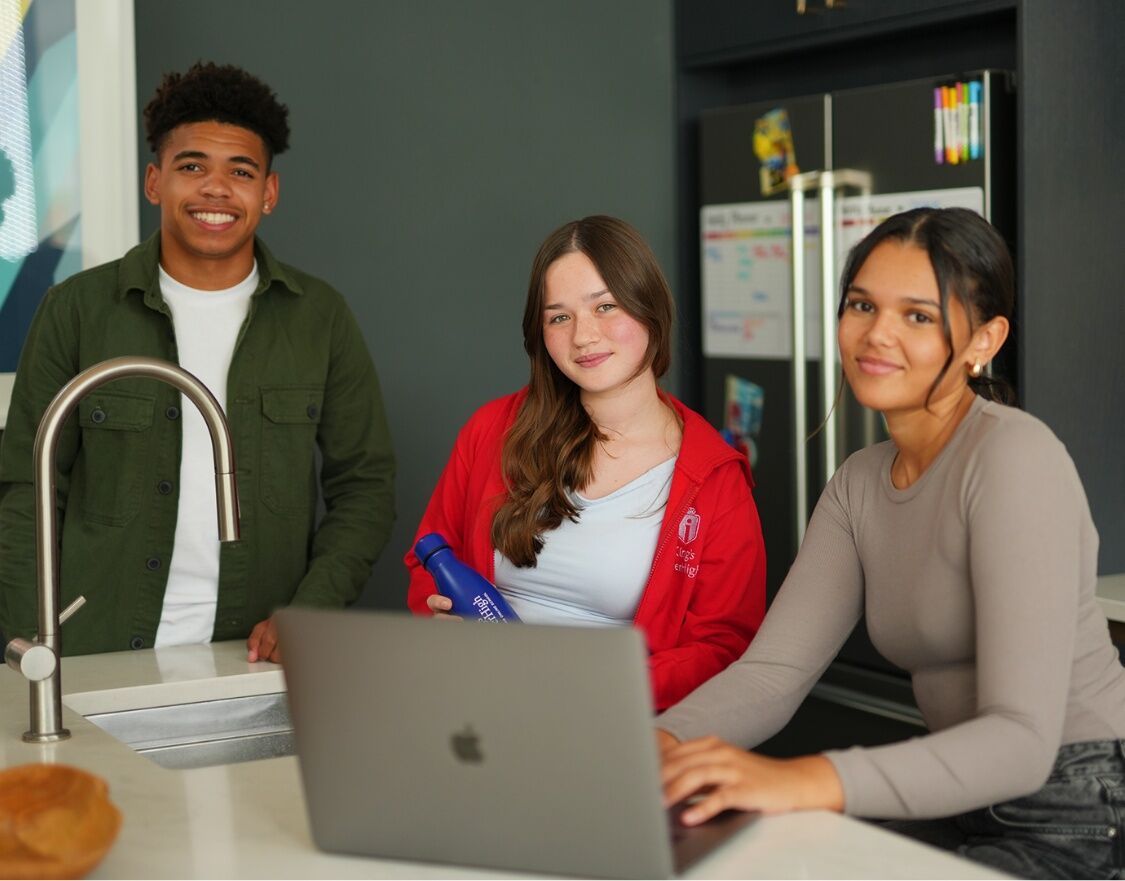
Enrol today and join lessons within days
King’s InterHigh is open for enrolment year-round, and our families receive a comprehensive induction for the best transition.