
Article April 23, 2025
Growing and learning in Vietnam: Gabriel and Catarina’s journey
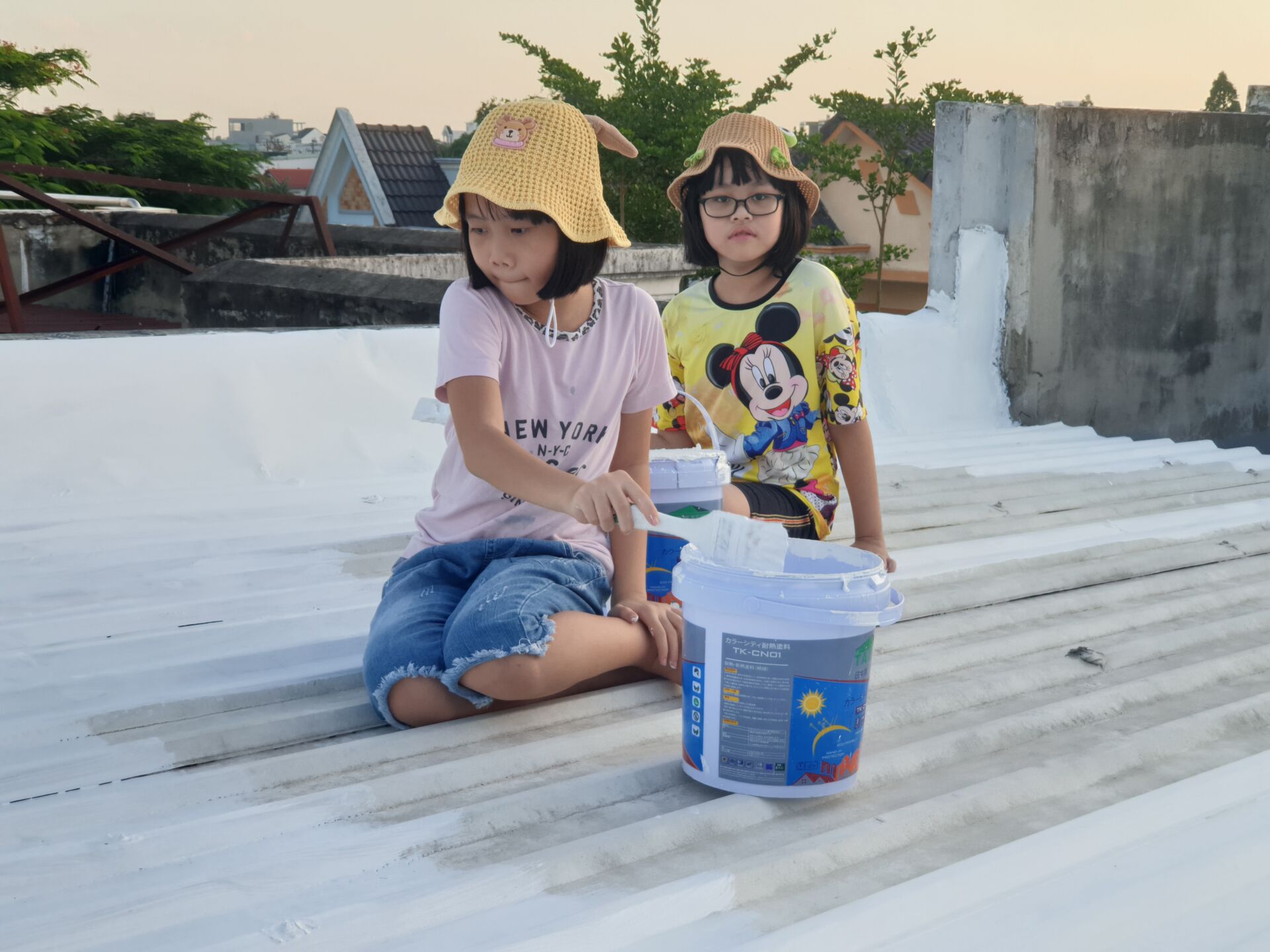
Amid the rich greenery of Vietnam’s Mekong Delta and the Central Highlands of Dak Lak, one family has crafted a lifestyle rooted in sustainability, community, and now, flexible education. Full-time farmers and cultivators, this family lives and works in deep connection with nature, cultivating trees, managing farmland, and practising sustainable tropical forestry.
When the structure of traditional schooling no longer fit their daily lives and educational philosophy, they turned to online learning for the freedom to educate their daughters in a way that worked for them.
Discovering online education through the pandemic
“The COVID-19 pandemic gave us the opportunity to withdraw our daughters from traditional schools and explore more flexible education options, including homeschooling and online schooling,” the family shares. What began as a temporary solution quickly turned into something much more meaningful. “After three years of this approach, we are satisfied with our decision.”
Their eldest daughter, Catarina, first joined My Online Schooling (UK) for Year 3 two years ago. When the school merged with King’s InterHigh, the family embraced the switch, and the benefits quickly became clear.
“After a year of positive experiences with King’s InterHigh, we decided to enrol our second daughter, Gabriel, as we saw significant improvements in their learning through this professional online platform.”
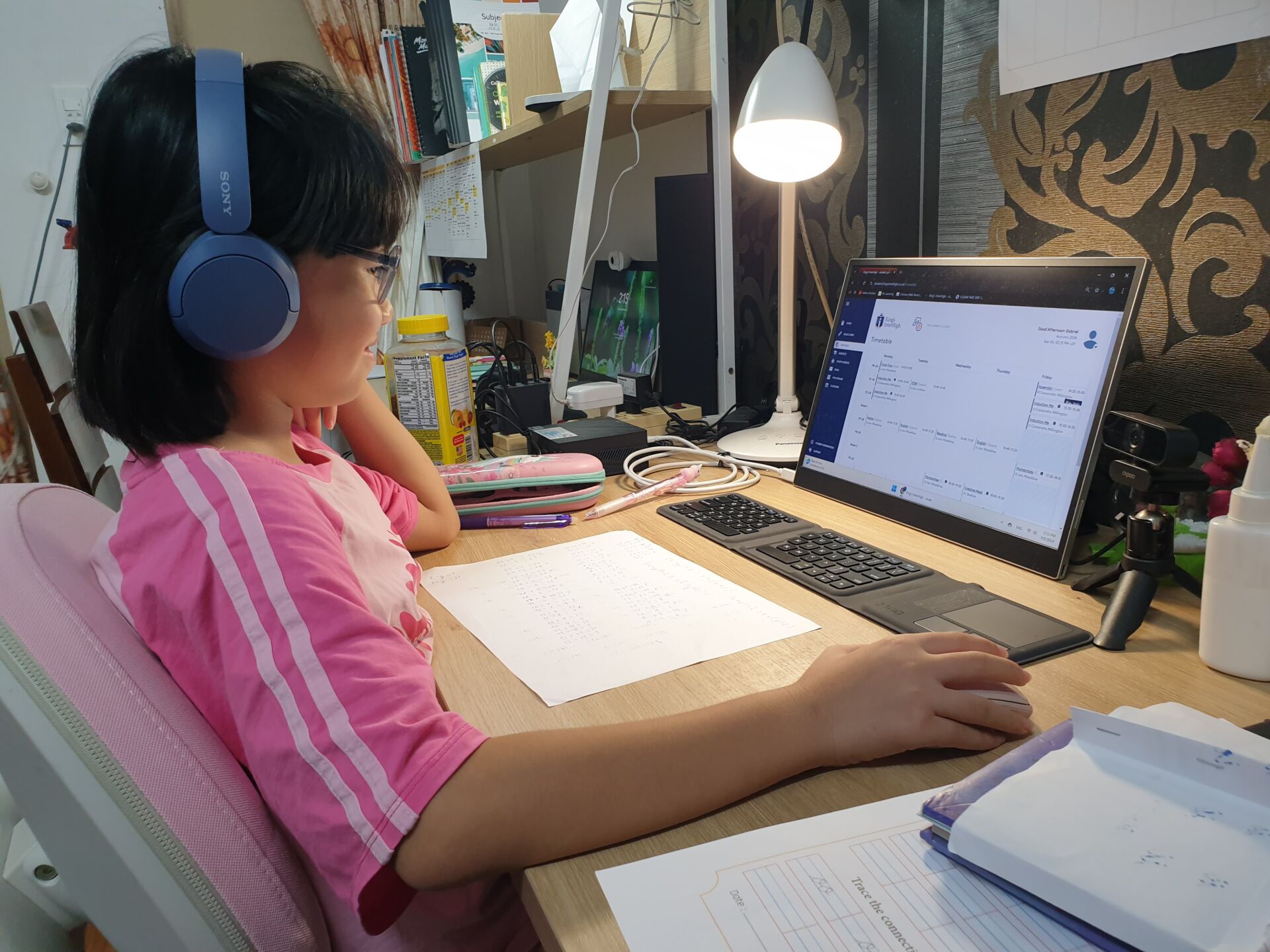
At first, adjusting to a new curriculum and learning style presented a few challenges. “We found the British education system slightly unfamiliar but not surprising. Unlike Vietnam’s test-heavy system, King’s InterHigh emphasises daily tasks and assignments, allowing children to explore creativity and develop skills.”
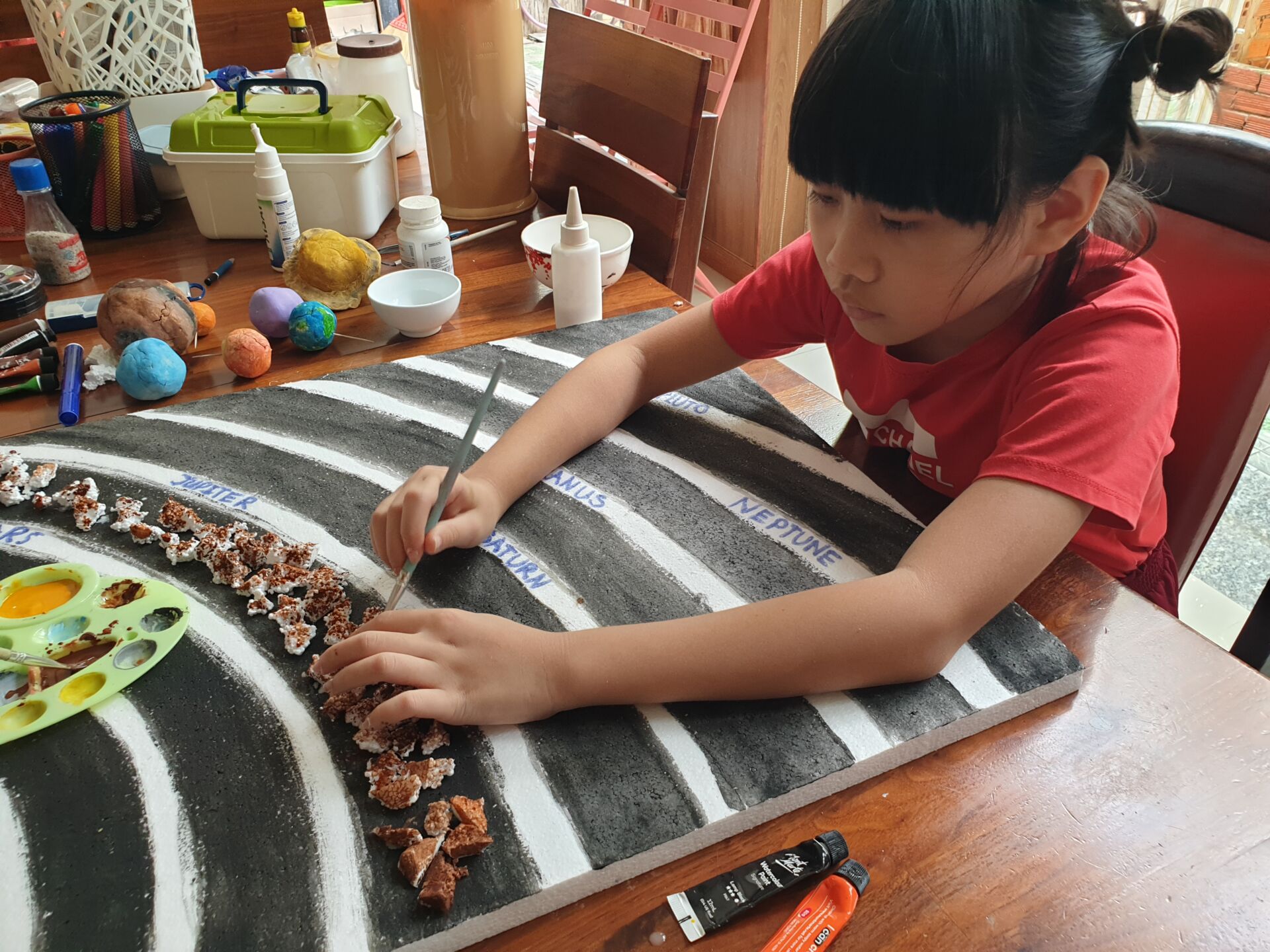
For a family that thrives on collaboration, the project-based approach was a perfect fit. “We especially appreciate how our whole family can participate in big projects—helping our kids research, experiment, and complete assignments to the best of their abilities.”
Independence and curiosity taking root
For Gabriel, online learning has nurtured a sense of autonomy rarely found in traditional classrooms. “The best aspect of online education is how it fosters self-learning. Our children now explore topics independently, use tools confidently, and think critically—a skill rarely nurtured in Vietnam’s offline schools.”
Still, there have been hurdles. Note-taking, for example, hasn’t been as prominent in the online experience. “To compensate, we hired a local tutor to teach mind-mapping techniques,” they explain. “Gabriel, who has never attended offline school, struggles with writing since she mostly watches and listens in class. We’re addressing this ourselves.”
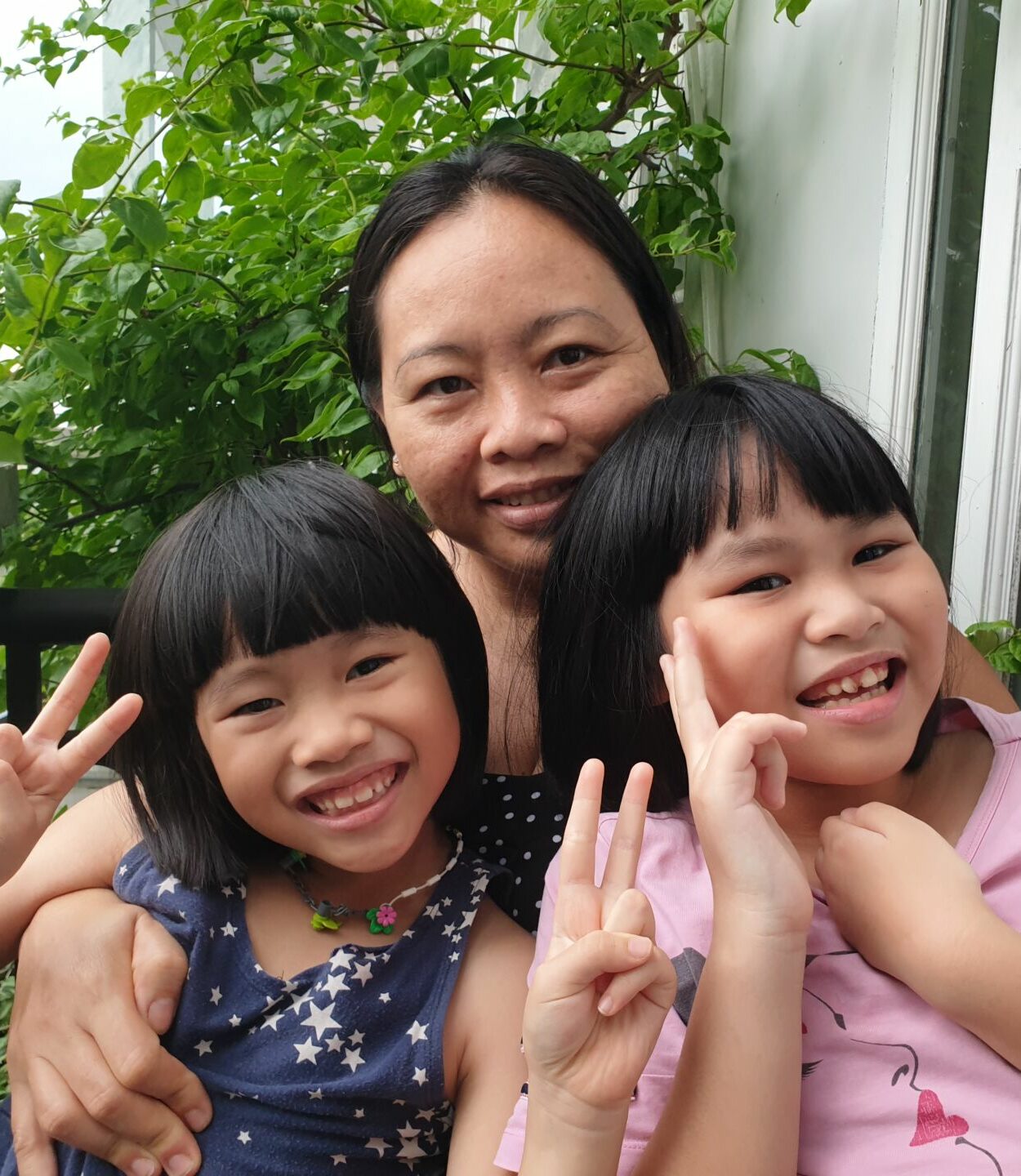
Gabriel’s favourite subject? “Science,” they say without hesitation. With her deep-rooted love for nature, it’s no surprise. “She’s always eager to explore the natural world—animals, plants, and the universe—and enthusiastically discusses lessons right after class. Her joy is evident when she shares new facts or talks about classmates who share her curiosity.”
Studying the British Curriculum from Southeast Asia
With British live lessons running on a UK time zone, finding a rhythm that worked for the whole family took some thought, but they’ve found a routine that fits. “Our children complete self-study assignments in the morning, attend live classes in the afternoon (after a short nap), and rest late on days when sessions run until midnight. The schedule is manageable, and the UK-based classes help them adapt to British accents and culture seamlessly.”
Now, Key Stage 2 lessons are also available in our Southeast Asia time zone, so families based in Southeast Asia will benefit from the same high-quality British curriculum at a schedule that may better align with their day-to-day arrangements.
Looking ahead
As the family plans ahead, they’re keeping their options open to meet each child’s individual strengths and passions. “We plan to continue this approach through primary school. For secondary education, we’ll explore additional resources to support their strengths and interests.”
They’re also thinking ahead to future qualifications. “We’re researching whether A-Levels or the International Baccalaureate (IB) would be more accessible in Vietnam and which qualifications best validate their academic level, even if they are educated online.”
Advice for other families in Southeast Asia
For others considering a similar path, they offer a few words of advice from experience:
- “Choose a reputable online school with a strong digital platform and qualified teachers.”
- “Check the schedule compatibility with your family’s routine. Ensure you can support your child with tech (computer, stable internet, parental controls) and monitor their progress closely. You will surely be your children’s second teacher to track all the progress if you choose online education.”
- “Create a dedicated learning space—discipline is challenging at first but becomes easier over time.”
- “Supplement with offline activities—hiking, museum visits, and sports—to balance screen time.”
For this family, the switch to online education has been about more than flexibility. It’s been about nurturing a lifestyle that aligns with their values—where learning happens not just in front of a screen, but out in the world too.
Share: