

Article December 4, 2024
Inclusive schools: What are they and how do they work?

You’ve probably seen the word “inclusive” pop up frequently in school mission statements and education policies — but what does it really mean?
Every child deserves a strong, happy, effective school experience where they feel like they truly belong. Yet, for far too many families, finding an environment that’s genuinely welcoming and supportive can be tricky.
That’s where true inclusive education comes in: schools designed so every young person can thrive. Let’s take a look at what inclusive schools are, why they’re important, and what to look out for if you’re searching for the best place for your child to learn.
What are inclusive schools?
In a nutshell, inclusive schools are schools that educate all children together. They include every student, whether disabled or non-disabled, no matter their needs, abilities, or circumstances.
When we talk about inclusive schools, we’re talking about a model for education that accommodates different needs and creates a learning environment where every child belongs and thrives. Inclusive schools often celebrate the unique strengths of each student and recognise the value of how each individual perspective can enhance the learning experience for everyone.
This approach represents a major shift from historical educational models, where young people who couldn’t adapt to a rigid system were excluded from many schools (or even from learning altogether). Instead, inclusive schools adapt their teaching methods, environment, and culture as needed to make sure every child can fully access and participate in their education.
📚 The right to learn
Every child has a fundamental right to education, no matter their location, background, circumstances, or needs. That’s a principle protected by international laws and treaties, such as the Convention on the Rights of Persons with Disabilities. While barriers to education still exist both globally and locally in many countries, inclusive education represents a commitment to breaking down these barriers and ensuring every child has access to the opportunities they deserve.
What makes a school truly inclusive?
Inclusion in schools can’t happen with a single policy or initiative. To ensure school life is designed with all students in mind, education leaders often need to implement various supports and adaptations for different needs.
This may include, for example:
- Allowing students with ADHD to use fidget toys in classes
- Offering students with dyslexia the opportunity to follow along with audiobooks
- Providing an in-class sign language interpreter for Deaf students
- Introducing communication boards and apps for students with speech impairments
- Using an accessible coach so students with mobility needs can access school events
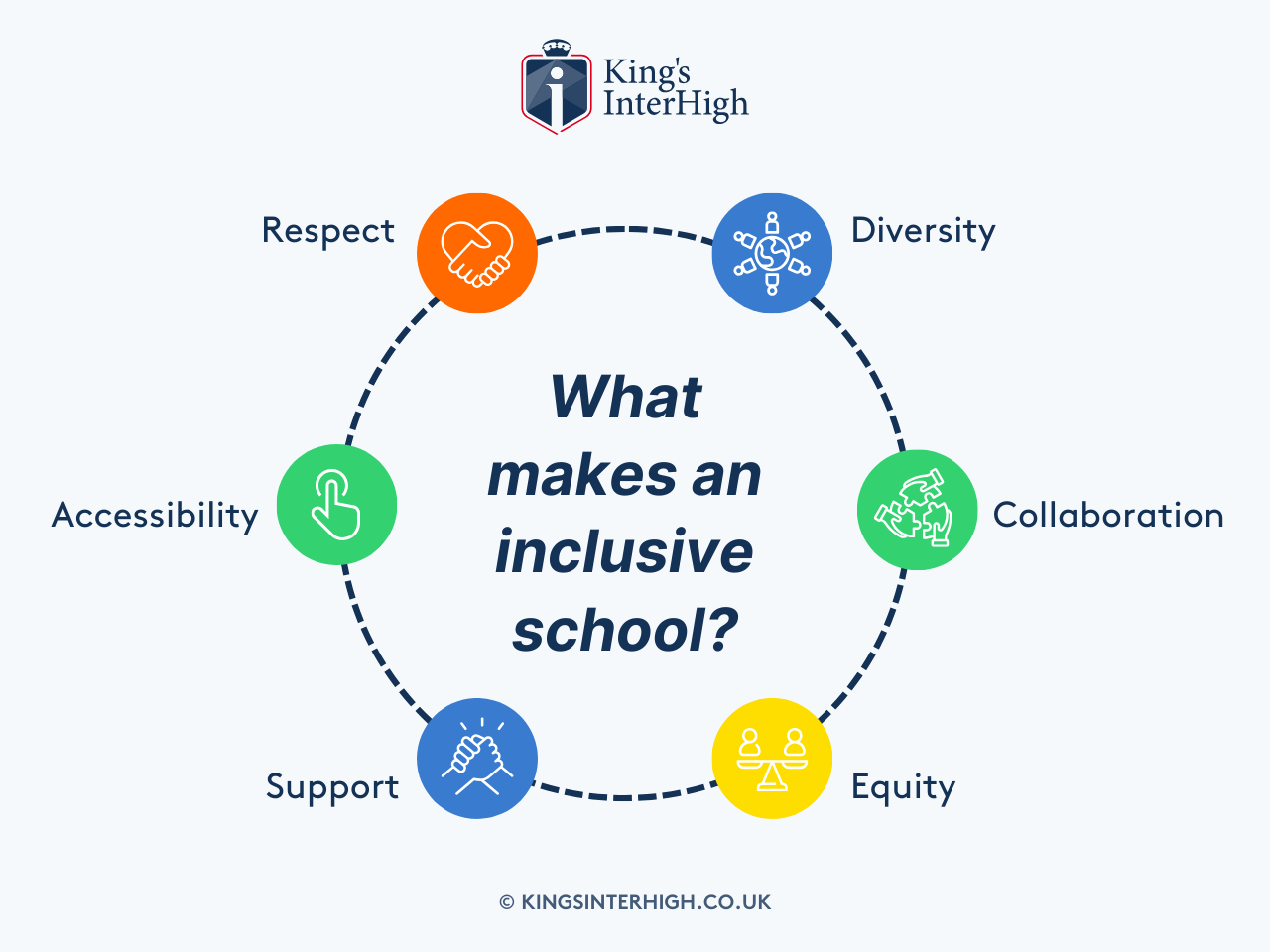
But, while changes like these are important, there’s more to making a school truly inclusive. Underneath all the individual supports in place, an inclusive school needs to foster a community where:
- Every student feels valued, supported, and actively included
- Teachers recognise each child’s unique strengths
- Learning activities are designed to suit students with varying abilities
- Diversity and understanding are promoted and encouraged
- All types of contributions and success are celebrated and uplifted
Why is inclusion so important?
Naturally, inclusive schools are incredibly important for students who have special educational needs and disabilities (SEND). Without inclusion, these young people wouldn’t have the opportunity to access the same education as their peers or learn, connect, and grow alongside them. They also might not get the extra support they need to get the most out of their learning and achieve their best on their academic journeys.
The benefits for all students
But, one of the beauties of inclusive education is also its power to benefit everyone. Inclusion is important because when children learn alongside diverse classmates, they develop greater empathy, understanding, and appreciation. It’s one thing to teach students that everyone should be included — it’s another to create an environment where they can see that each person has unique value to share.
Whether a student has additional learning needs or not, studying at an inclusive school will help them grow into a more well-rounded individual prepared for life in a world where each person is different. Working with classmates who are different from them will help them build leadership skills while recognising the strengths of others will also help them uncover and celebrate their own merits. In the future, they’ll go out to university or the workforce able to work well in any team, approach challenges with flexibility, and champion fairness for all around them.
The value for parents
Likewise, as a parent, choosing an inclusive school means choosing an environment where you know your child will be truly accepted, supported, and celebrated for who they are. It’s a chance to give your children a crucial perspective on community, which means your child will always have access to learning that works for them. Even if your child tends to learn at the same pace as the rest of the class, every young person has their own preferred ways of studying, and all students have subjects or areas they’re less strong in. In an inclusive school, where learning is designed to work for each student, they’ll have far greater ability to forge their own academic path, master their learning, and succeed in their qualifications.

The outcomes for teachers
What’s interesting is that teaching a diverse range of learners can also help teachers become better at their role. As they tailor their support to students who need it, for example, they become more skilled at recognising and responding to each student’s requirements.
Designing lessons that work for different abilities, meanwhile, is a great exercise in creating dynamic, engaging learning experiences. At King’s InterHigh, for example, we believe that great teaching for students with additional learning needs can be great teaching for all students. Strategies like providing model answers, for example, can be a gamechanger for students with autism who prefer detailed instructions, but it’s also a huge help to all learners in the classroom.
What does an inclusive school actually look like?
The best inclusive schools evolve and adapt over time to meet the changing needs of their student bodies, so each school’s approach will be different. At King’s InterHigh, for example, we make the utmost use of modern technologies and forward-thinking approaches to foster an environment where everyone belongs and thrives.
If you’re looking for an inclusive school and you’re not sure what factors to consider, some of the key places you can find evidence of inclusion are:
Personalised learning approaches
Every student learns slightly differently, and inclusive education takes this into account. At King’s InterHigh, our school is built on pillars like innovation, choice, and flexibility, all of which empower students to study in their own way while still enjoying all the benefits of learning together.
Each student gets their own AI-powered personalised learning pathway, for example, complementing their live lessons with homework tasks and content tailored to their progress.
Personalised learning can also include:
- Providing learning materials in various formats, like video or audio
- Incorporating students’ interests into lesson examples
- Offering alternative ways to submit essays or deliver presentations
📚 The importance of strong leaders
Any inclusive learning community needs strong educational leadership, where everyone from headteachers to department leaders make each child a core priority. When school leaders actively champion belonging and practices for all, it creates a ripple effect through the school community.
Supportive technology
With our state-of-the-art online classrooms, our students are able to access their learning in the best way to suit them. Thanks to modern technology, we’re able to offer options like dyslexia-friendly fonts, closed captioning, and more, allowing learners to customise their lesson experience.
Some other supportive technologies that make the world of difference are:
- Screen readers and text magnification tools
- Speech recognition software for help with writing
- Digital planners and tools that help students manage their schedules
Expert support teams
Inclusion works best when all teachers and staff at a school are fully trained in supporting the needs of different students. That’s something we emphasise at King’s InterHigh, where our educators regularly take workshops and courses in how to foster classrooms where everyone can thrive.
On top of that, though, inclusive schools often have expert support teams — like our own, led by our Head of SEN, Ray Boxall. In these teams, you may find:
- SENCOs (special educational needs coordinators)
- Pastoral care staff
- Counsellors and external specialists
Diverse communities
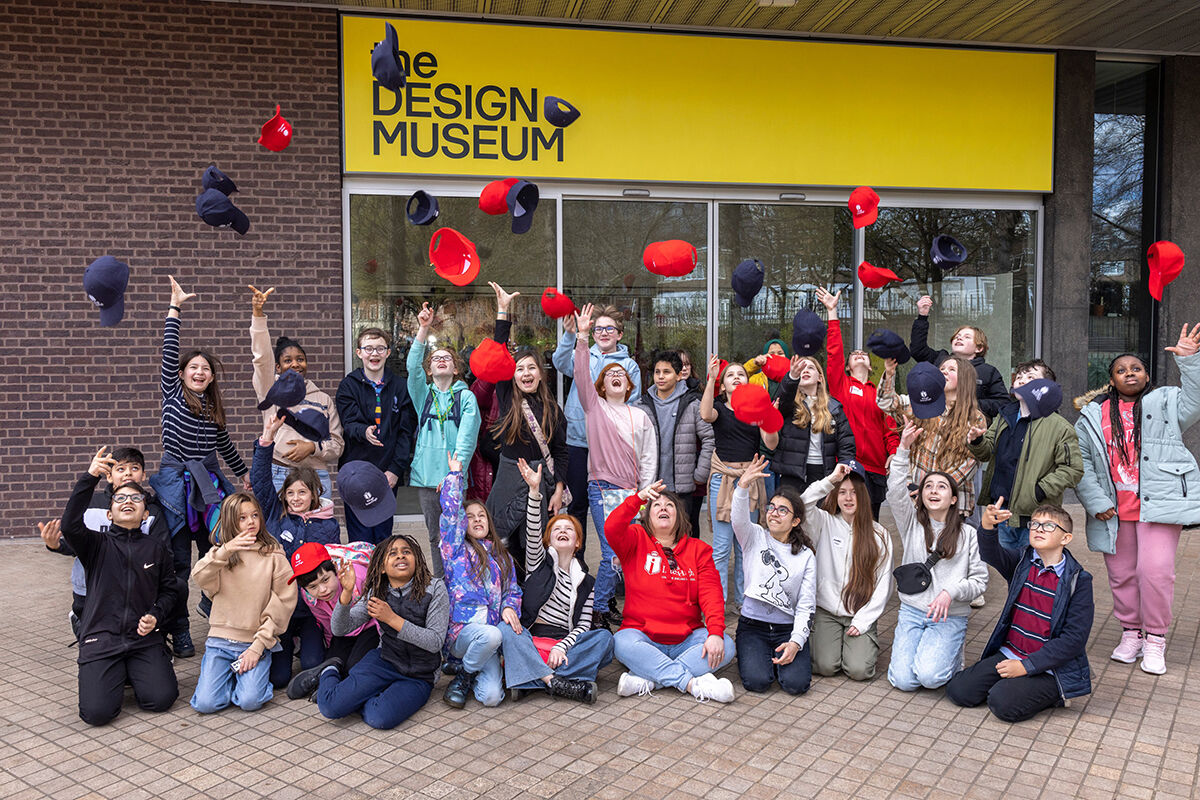
We’re incredibly proud to have such a vast and diverse community of students at our school. Young people join us from over 130 countries worldwide, all learning together for different reasons. Some of our students choose online learning because it suits their neurodivergence, for example, while others love our school because they can learn around passions like sports and acting. Many families simply choose King’s InterHigh because it offers a more innovative way of education and a more unique school community.
A community can be diverse simply by the students within it, but making that community inclusive involves:
- Celebrating achievements big and small
- Amplifying young people’s voices with initiatives like a student council
- Facilitating communication between students, teachers, and parents
Inclusive schooling for your child
The rise of inclusive education isn’t just a trend. It’s a shift in how we think about learning, development, community, and potential. And, when every student really feels seen and empowered, the impact extends far beyond academic achievement.
At King’s InterHigh, we’re proud to be pioneering an online school experience that revolves around each and every student.
Book a personalised discovery call with us to find out how our learning could work for your child.
Share: