
Article October 30, 2025
What should personalised learning look like? A guide for parents
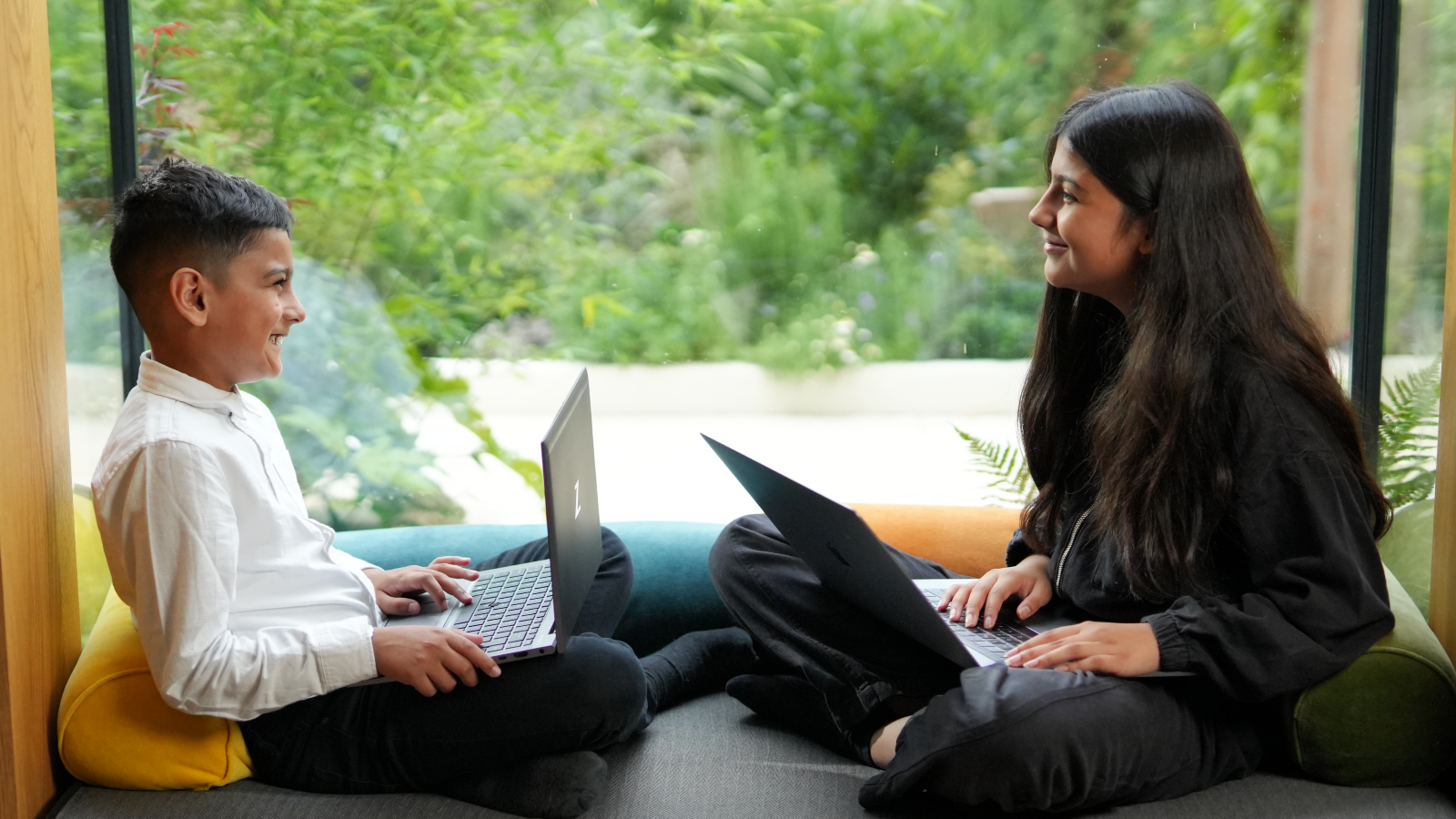
One child devours books and writes effortlessly. Another thinks in pictures and needs hands-on experiments to make concepts click. A third excels at maths but struggles when asked to sit still for extended periods.
Walk into an average classroom and you’ll see thirty different learners with thirty different needs, all being taught the same content in the same way at the same pace. Personalised learning challenges this one-size-fits-all model.
Personalised learning customises education for each student based on how they learn best, what they already know, and where they want to go. Rather than forcing children to adapt to a rigid system, it adapts the system to fit each child.
But what are the pillars of personalised learning you should be looking for in a school? Here’s everything you need to know.
What is personalised learning?
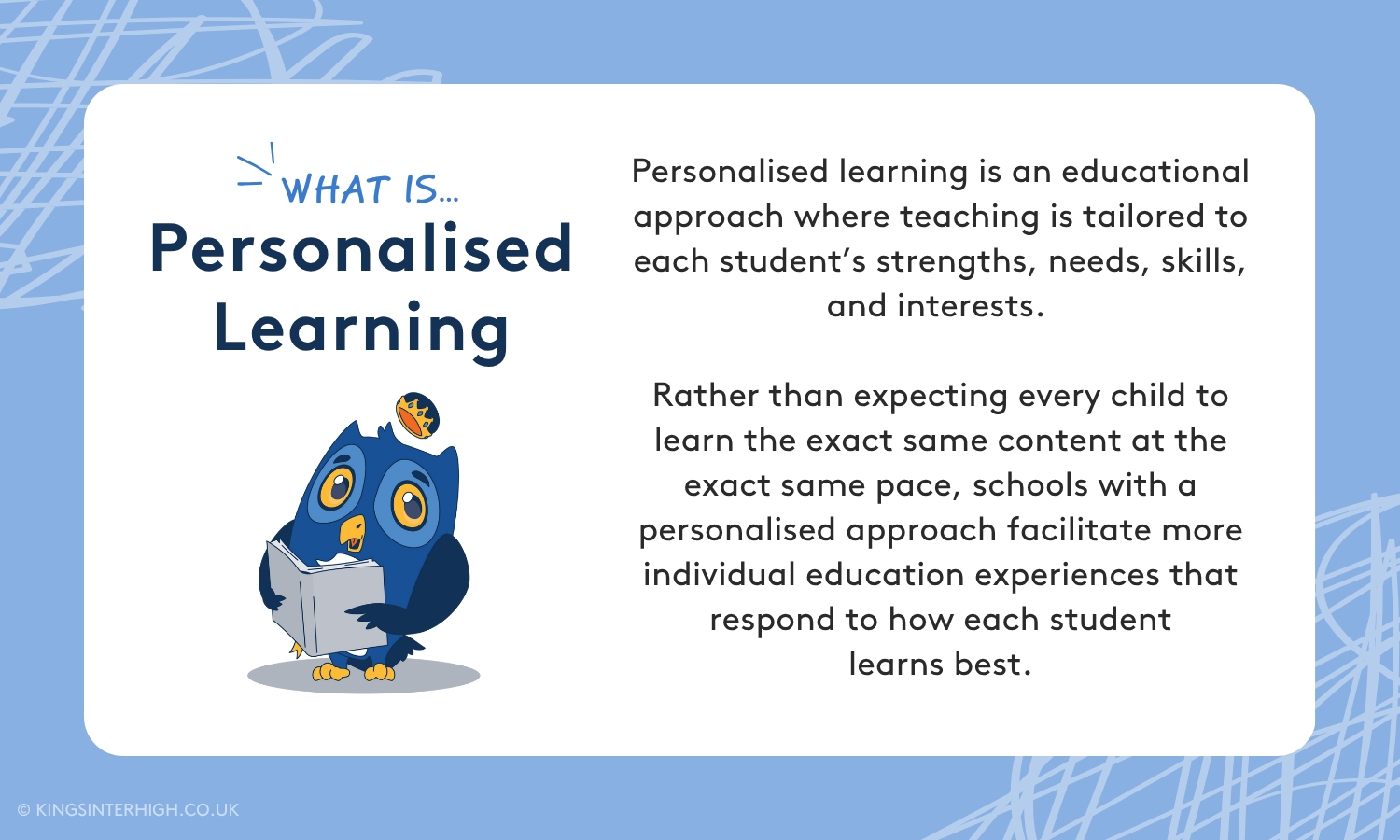
Personalised learning is an educational approach where teaching is tailored to each student’s strengths, needs, skills, and interests. Rather than expecting every child to learn the exact same content at the exact same pace, schools with a personalised approach facilitate more individual education experiences that respond to how each student learns best.
It’s no secret that every child has their own learning preferences. Some children may excel with detailed instructions while others can only truly grasp a concept once they’ve tried it themselves. One student may absorb new information best by reading it, while another may get the most benefit from watching an educational video. Personalised learning recognises this and builds education around it.
In practice, personalised learning often involves teachers working closely with students to understand their learning profiles and ensure they’re equipped with everything they need to study their own way. For that reason, it’s also an approach that helps to put young people in the driver’s seat, encouraging them to take greater ownership of their studies and build independent learning skills.
What’s the difference between personalised learning and traditional teaching?
In traditional classrooms, learning often follows a one-size-fits-all model, designed for an imaginary “average” student who doesn’t really exist. The teacher leads the entire class through the same lessons at the same pace using the same methods, with limited room for individual interests or learning preferences. Students who grasp the concepts quickly will need to wait for others to catch up, while those who need more time and support may fall behind.
Personalised learning flips the script, allowing teachers to tailor education to the actual child in front of them. In a classroom with a more personalised approach, students may still follow the same lesson content, but with adaptations to suit their unique journey. One student may be given accommodations like additional scaffolding or adapted materials that meet their needs. Another may have the opportunity to take on more challenging work after finishing the main portion of the lesson.
Personalisation can also come in the form of more freedom for children to choose subjects that suit their interests, more flexibility to learn when and where students want to, and modern-day digital tools that tailor learning content to the user.

The benefits of personalised learning
When done well, personalised learning can have remarkable benefits for all students. Not only does it give children an advantage through their studies, it sets them up for success in their future beyond education too.
Genuine active involvement
With personalised learning, children aren’t just passive recipients in the classroom. They get to set student-led targets, they’re encouraged to reflect on their own progress, and they’re guided to build self-advocacy skills that help them articulate what they need, what’s working, and where they’re struggling.
In turn, that genuine sense of active involvement and agency boosts students’ motivation to achieve their best.
Confidence and mastery
Rather than moving on before concepts fully click, personalised learning allows students to take the time they need to truly understand the material they’re given.
On top of ensuring that children master each individual topic, this is also an incredibly powerful benefit for a student’s overall educational journey. In core subjects like maths, English, and science, the curriculum builds on what students have learned in previous years. As a result, falling behind in a single topic can have knock-on effects for years to come. With personalised learning, students have the flexibility and freedom to build confidence in their understanding that will compound over the years.
Strong learning loops
In personalised school environments, there’s more to assessment than just a one-off exam at the end of the year. By providing ongoing feedback, teachers help students adjust their approach to learning before small misunderstandings become major gaps.
This constant dialogue between teacher and student (and often among peers during collaborative work) makes sure problems are caught early and reinforces what’s working.
Perfect for diverse needs
From learners working at an advanced level to students with special educational needs, every young person can benefit from a personalised path. Rather than focusing on being “behind” or “ahead,” personalised learning puts the emphasis on progress. That makes it the perfect approach for students with diverse needs, who may learn best at a pace that’s different from the average.
High classroom engagement
When students have more freedom to pursue the ideas they’re personally interested in and learn in a way that suits them best, classroom engagement soars.
At King’s InterHigh, for example, we give students the opportunity to pick any combination of subjects they love without worrying about timetable constraints, as well as a multitude of participation options in each lesson.
What great personalised learning looks like
Not all personalised learning is created equal. The difference between personalised learning on paper and learning that actually transforms education comes down to thoughtful design and consistent implementation.
Great personalised learning weaves together the right frameworks, strikes a balance between structure and flexibility, and puts systems in place to keep everything working.
The foundations
According to the Conversational Framework, developed by educational researcher Diana Laurillard, there are six core learning types. These form the building blocks of great personalised education, which recognises that students engage with each phase of learning differently.
- Acquisition happens when students absorb new information, whether they’re reading textbooks, watching educational videos, or listening to explanations.
- Investigation puts students in charge of seeking information themselves. Research projects, experiments, and self-directed inquiry all fall into this category.
- Practice involves repetition, such as completing problems and exercises, to build skills and confidence.
- Discussion allows students to share their understanding and hear classmates’ perspectives. These conversations help to deepen comprehension and reveal gaps in knowledge.
- Collaboration takes discussion further, requiring students to negotiate, compromise, and create shared outputs through group projects, peer reviews, and more.
- Production asks students to create something original based on what they’ve learned. This could be an essay, a presentation, a creation, or anything in between.

The methods
Within personalised learning, there are also various methods that schools can use to deliver a tailored approach. The best personalisation often brings a variety of these techniques and approaches together.
Personalised learning plans
Learner profiles and personalised learning plans often form the foundation of a tailored approach. Learner profiles go by many names, but the term typically refers to regularly updated records that detail what a student needs to get the most out of their studies.
These are then used to form each student’s personalised learning path: the individual roadmap that outlines what they’ll learn and how they’ll learn it.
Adaptive learning systems
Adaptive learning systems use technology to tailor content in real time. When a student masters a concept quickly, the system moves them forward; when they struggle, it provides additional support or presents material in a different way. This helps shift progression from time-based to competency-based. Rather than moving on to the next unit each week, students can continue to work on mastering previous material for as long as needed.
Differentiated resources
By differentiating resources, schools and teachers can make sure that materials are tailored to each student’s needs. Some, for example, may work best with visual, media-rich content, while others prefer detailed written explanations. At King’s InterHigh, students can access a wealth of learning materials to complement their studies, which means each child can select the resources that suit them best.
Continuous feedback
Feedback creates powerful learning loops for young people. With regular teacher check-ins, self-assessment tools, and comprehensive progress monitoring, we can uncover any challenges a student may be facing early. In turn, students can use this feedback to course correct and make the right next steps for their progression.
Student-led targets
In some schools, all students are expected to reach the same grade level at the same pace. With personalised learning, students are able to develop greater independence around their targets by working with teachers to set their long and short-term goals. This builds self-advocacy skills and helps students learn to manage their own learning journey, whether they need to ask for more help or they want to take on greater challenges.
The results
Theory is all well and good, but what does effective personalised learning actually look like day to day?
- The environment adapts: Flexible in-person classrooms might include group tables for collaborative work alongside individual spaces for focused study, while online classrooms will typically feature group discussion and breakout room options. The structure of the school day might also vary, with each student following a unique schedule.
- Multiple learning types happen concurrently: In any given personalised classroom, one student may be working on an individual project, another could be asking their teacher questions one-to-one, and a small group of students might be working together. Everyone’s learning, but in the way that works best for them.
- Students take the lead: Personalised learning often goes hand in hand with a flipped classroom model, where students consume instructional content independently before focusing on discussion, practice, and production during class time. You’ll also find other types of student-led learning, like individual research projects.
- Progress is consistently monitored: The key to personalised learning is making sure that each child is making progress at their pace, so teachers often put considerable time into giving feedback, checking in with students, and adjusting support based on changing needs.
- Teachers facilitate rather than dictate: In traditional classrooms, teachers deliver information. In personalised settings, they also guide students through their individual learning journeys.
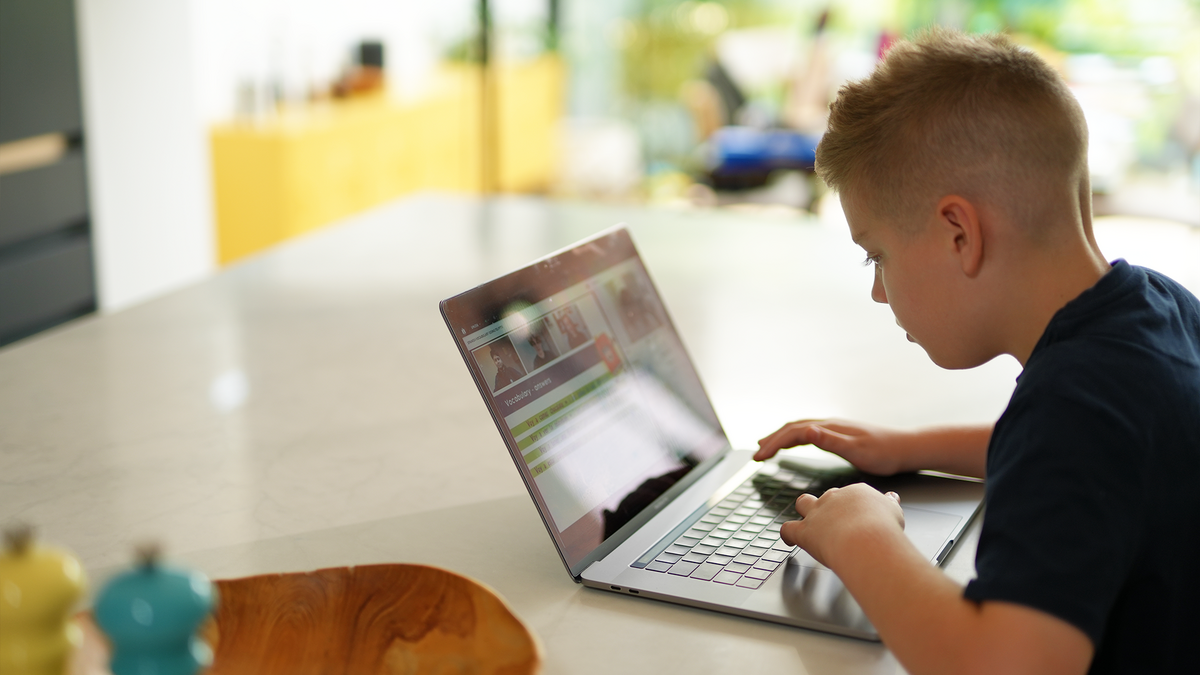
- Technology powers learning: The best schools use digital tools to take personalised learning to the next level. Alongside giving students greater ability to learn independently, ed-tech can also equip teachers with deeper insights on each learner’s progress.
Our experience with personalised learning
Rather than thinking of personalised learning as a single technique, view it as a shift in the way we approach education. The reversal from “how can we fit this child into our system” to “how can we design our system around this child” changes everything.
As a school with personalisation and flexibility at its core, we’ve seen how transformative the results can be. When students are encouraged to be part of their own journey and supported to thrive no matter their needs, they don’t just achieve better results. They also develop confidence, a love for learning, and skills that will help them succeed far beyond school.
Personalised learning is just the beginning. Find out more about how we teach at King’s InterHigh.
Share: