
Article March 26, 2025
How neurodivergent actor Maxwell Whitelock found his fit at online school

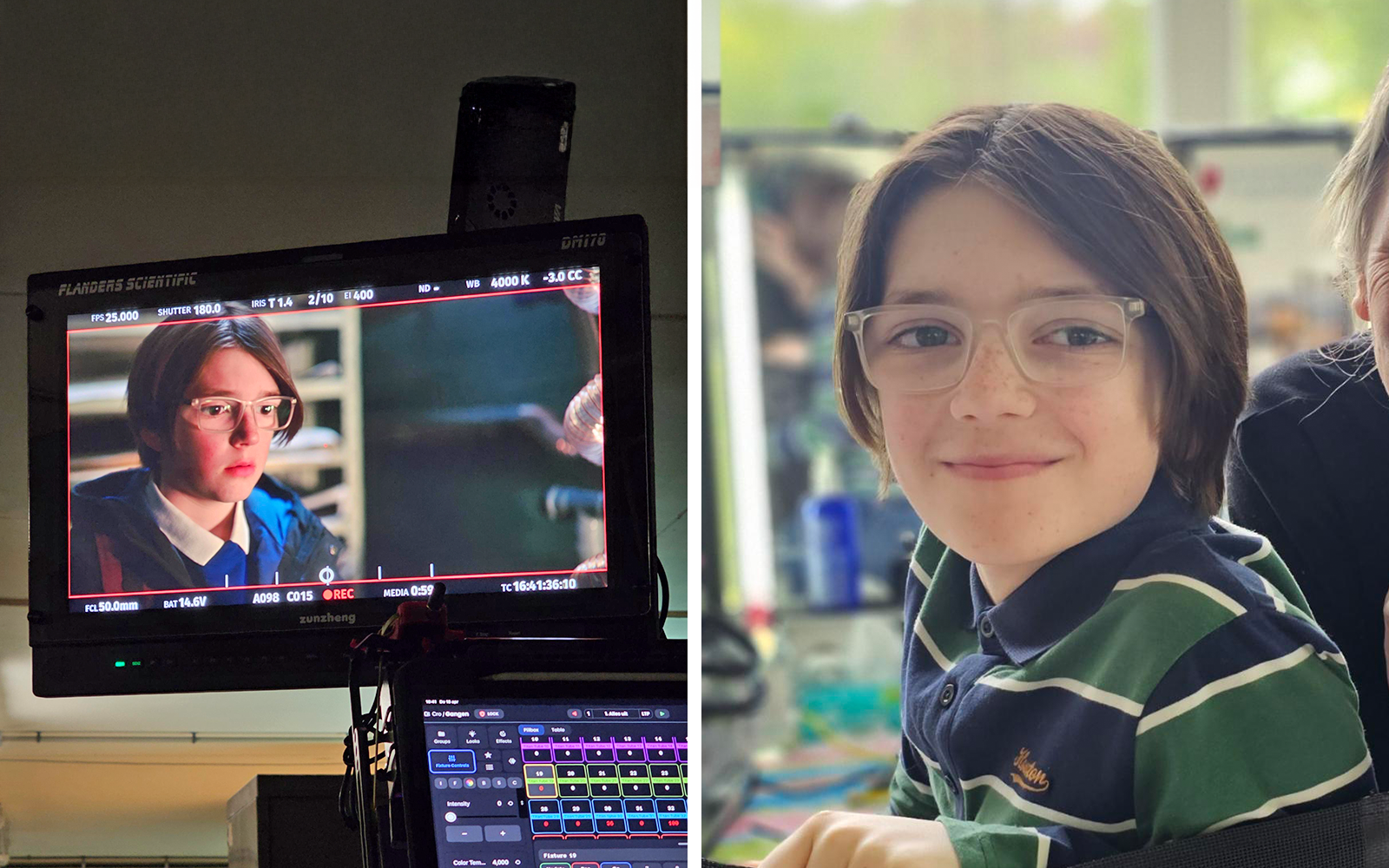
When Maxwell Whitelock walked onto the set of Channel 4 drama Patience, something special happened: the environment became predictable, scripted, and suited to him. In a place where many would feel intimidated, this young actor finds himself truly at home.
Beating out thousands of hopefuls for the role of Alfie, Maxwell has already achieved what many actors only dream of at such a young age. Of course, that doesn’t mean his journey hasn’t had its own challenges. Alongside the need to balance education with his career, for example, the traditional school environment also became a daily battleground for Maxwell, who has both ADHD and autism.
These were the struggles that led Maxwell and his mum, Emma, to King’s InterHigh. We talked to the pair about what influenced their decision, Maxwell’s experience filming Patience, and how online school has helped him thrive in more ways than one.
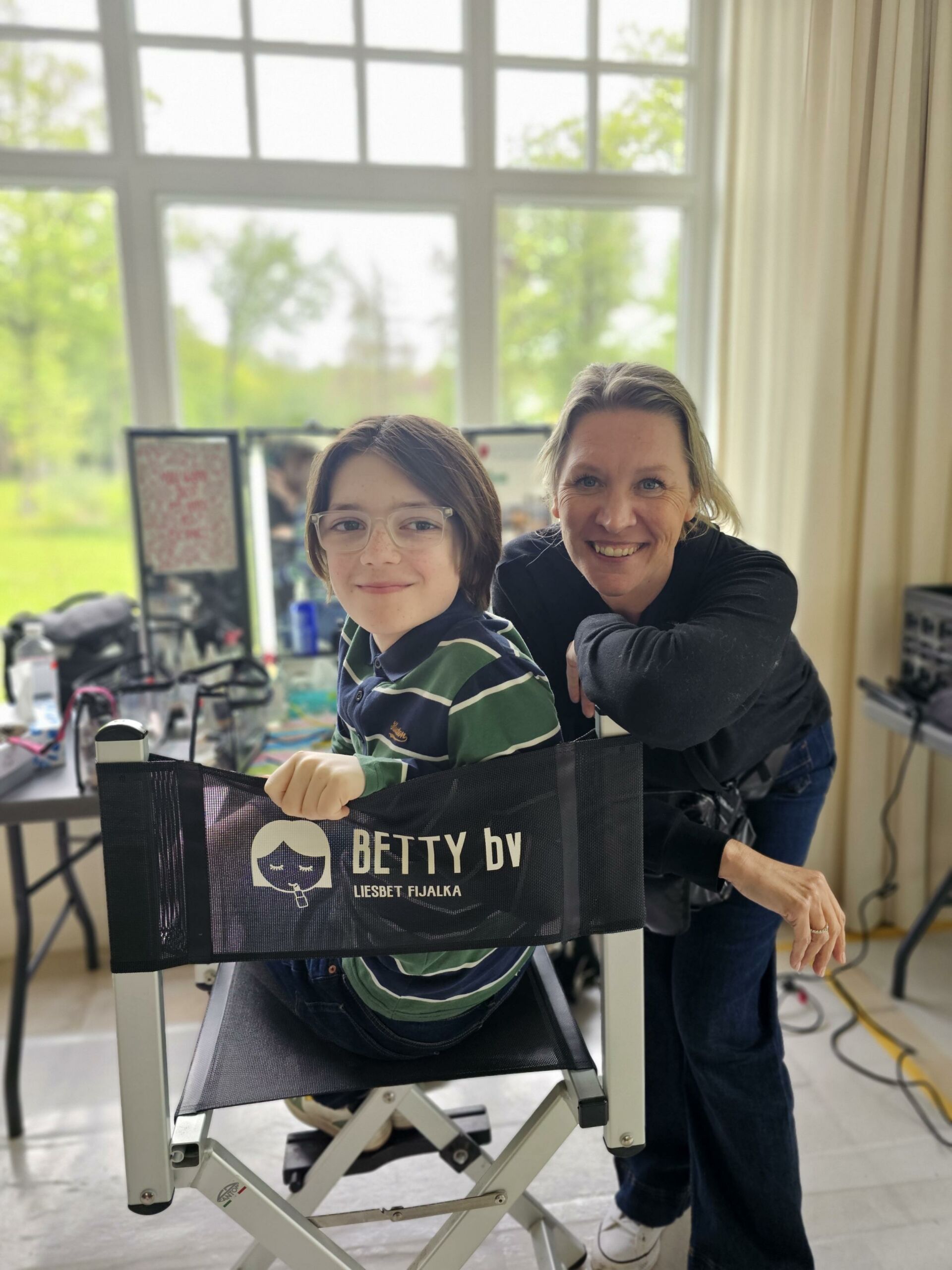
The daily struggle
As many parents of neurodivergent children will know, traditional classrooms can often feel more like battlegrounds than places of learning. Even outside of the need to juggle learning, Maxwell faced the same challenges in his previous school.
“To have your child in the morning saying, ‘Please, I don’t want to go to school’ when you’ve got to get to work yourself is really stressful,” says Emma, reflecting on the dreaded routine the school run became. “You’re both starting the day miserable and unhappy.”
Of course, for Maxwell, it wasn’t just about wanting to go to school — it was about navigating an environment that wasn’t designed with him in mind. For students with neurodivergences like ADHD and autism, the everyday learning experience can quickly become overwhelming. Classrooms and hallways turn into sources of sensory overload, rigid transitions can be hard to manage, and the social dynamics of the playground trigger nerves and worries.
“I wasn’t doing very good in normal school because I’d always come home not good, or sad, or angry,” Maxwell explains simply, adding that he didn’t always feel properly supported by his teachers. On top of the inner emotional toll, Emma says Maxwell also faced negative comments about being autistic.
For Emma, watching her son’s daily distress, it was clear that something needed to change.
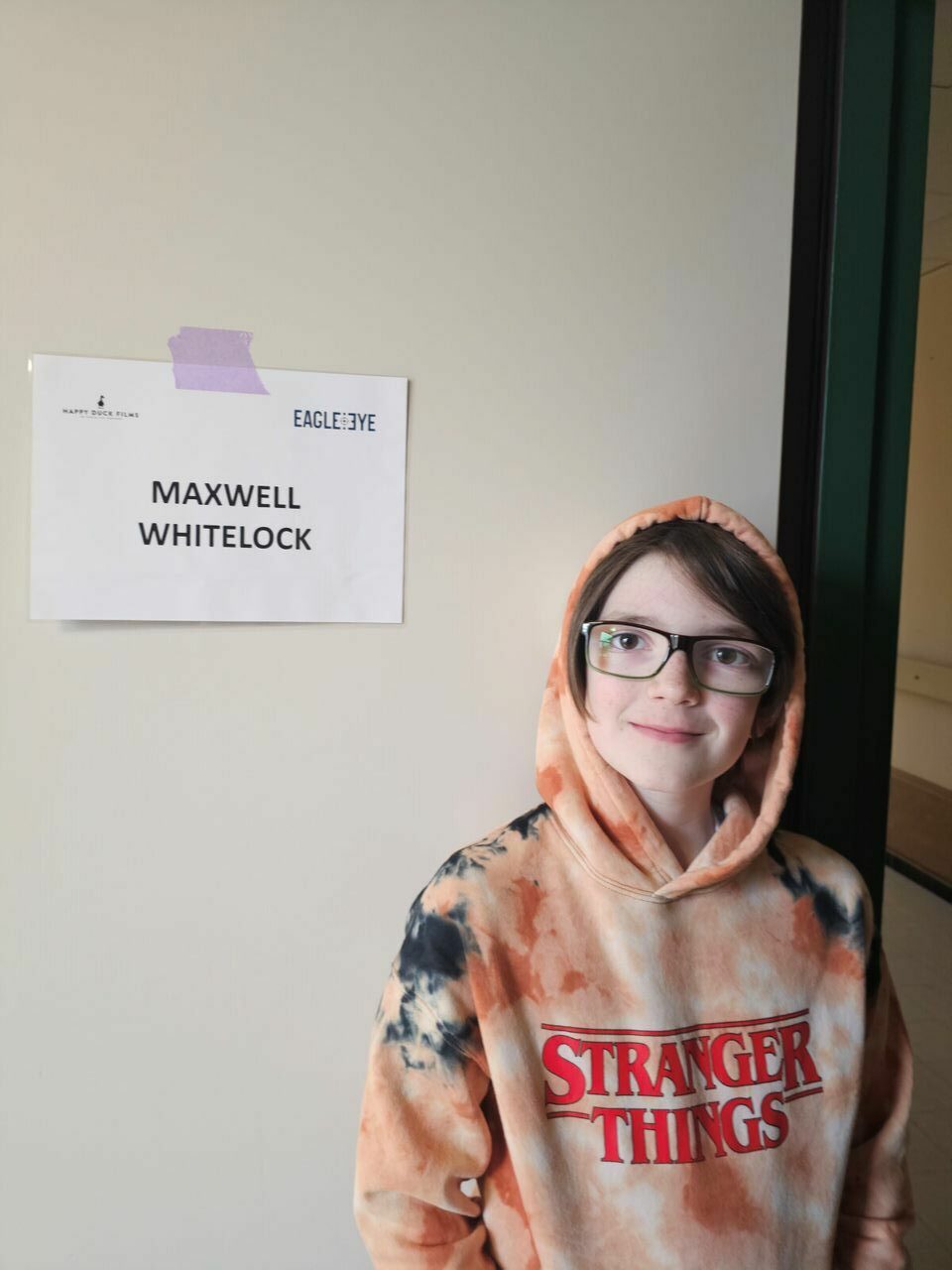
Big breaks and balancing acts
While Maxwell was grappling with the difficulties of school, his acting career was about to take an unexpected turn. While he’d already appeared in several independent shorts and films over the years, he kept his expectations reasonable when auditioning for Patience.
“I was like, ‘Come on, I never get parts like these. I won’t get this one’,” Maxwell recalls of the audition process, which pitted him against thousands of other hopeful young actors. But soon, he was down to the final two candidates — and then he got the good news!
“When I found out, it was just such a shock. I was just like, 'What? How?’”
Unsurprisingly, it was a life-changing opportunity and an amazing experience for Maxwell. At the same time, it also intensified the challenge of mainstream school. Even before he snagged the role, auditioning for parts would typically involve taking a full day off school to travel to London, with tight gaps in the evenings for rehearsing and filming self-tapes.
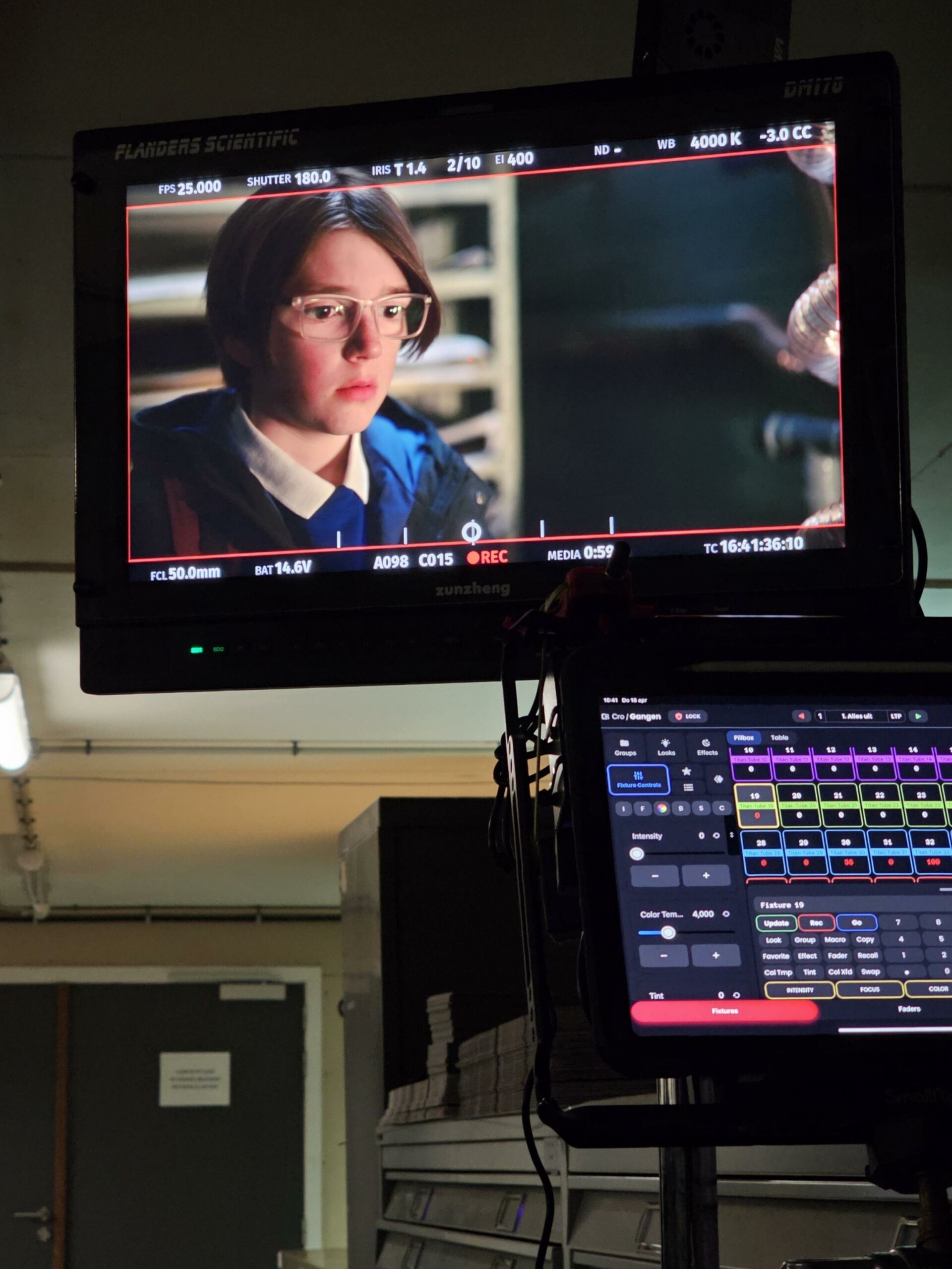
Then, when Maxwell began filming Patience, production took him to Antwerp six times, along with various locations around York. Naturally, this created big gaps in his learning. “We’d maybe go Monday to Wednesday to Belgium, and then he’d be back at school on the Thursday and Friday,” Emma explains. “He was finding it difficult — not being at the same stage his friends were in the lessons.”
Between the social and emotional weight and the increasing demands of his acting career, Emma knew things had reached a tipping point with school.
Finding Maxwell’s rhythm at online school
The catalyst for Maxwell’s move to a better fit with learning came from a family who’d been in a similar position. One of Emma’s friends, Heidi, has two sons in the acting industry: Bastian and Cole Fuentes, whose credits include big names like Jurassic World and Batgirl. Bastian and Cole are also students at King’s InterHigh, using online education as a way to pursue their acting dreams and shed the stresses that came from traditional schooling.
“Heidi had told me about King’s InterHigh before,” says Emma. While she was initially hesitant about whether online school would fit the family’s routine, the mounting pressures had led her to a moment of clarity. “I was just so fed up with him being fed up and unhappy,” she recalls. “We just sat down and had a really good talk about it and decided to go for it.”
That’s when Emma enrolled Maxwell with King’s InterHigh — completely transforming his school experience. Today, mornings filled with resistance and days of distress are long gone, replaced by a routine driven by Maxwell himself. At online school, he’s excited to learn each day, taking the initiative to get ready for classes by himself.
“The difference in him is just amazing. I wake him up in the morning when I'm home, and before I even ask, he's logged on and ready. He knows his schedule and is very in tune with that. There's never any ‘I don't want to do this. I don't want to do that.’”
Studying online, Maxwell is free from the struggles that an in-person classroom can create for neurodivergent students. Our online classroom allows us to support students with SEN on an individual basis. On top of that, the timetables suit his learning style far better. “I’m quite comfortable with it because there are breaks between lessons to just take a breather,” he explains, “instead of in traditional schools, where you just have to go through it right away.”
That flexibility extends around his performing arts commitments too, and the usual boundaries between his education and his passions are no longer an issue. When his acting lessons on a Monday afternoon clash with a King’s InterHigh class, Maxwell can simply catch up with the recording later in the week.
“It just gives us so much flexibility. If he gets an audition in London, that would've been a full day off school ordinarily. Whereas now, he can sit on the train and do his work.”
And the benefits aren’t just on the academic side. Contrary to myths about online learning, Maxwell’s social life has expanded rather than contracted. Many of our autistic students often find that the online environment is a far more comfortable place to make friends; they’re part of an inclusive community free from playground bullying, with lots of different ways to communicate based on their preferences.
Maxwell quickly found his community through a variety of social activities on offer at King’s InterHigh. He talks to friends in his tutor group, on our teacher-monitored social platform, and has even joined a Roblox gaming group with fellow students. He’s also part of clubs like Dungeons and Dragons and drama, which mum Emma says offers him “easier access into things that would normally be quite intimidating. Online, he’s got the option of not having to put his camera on if he doesn’t want to, and he can talk to who he chooses.”
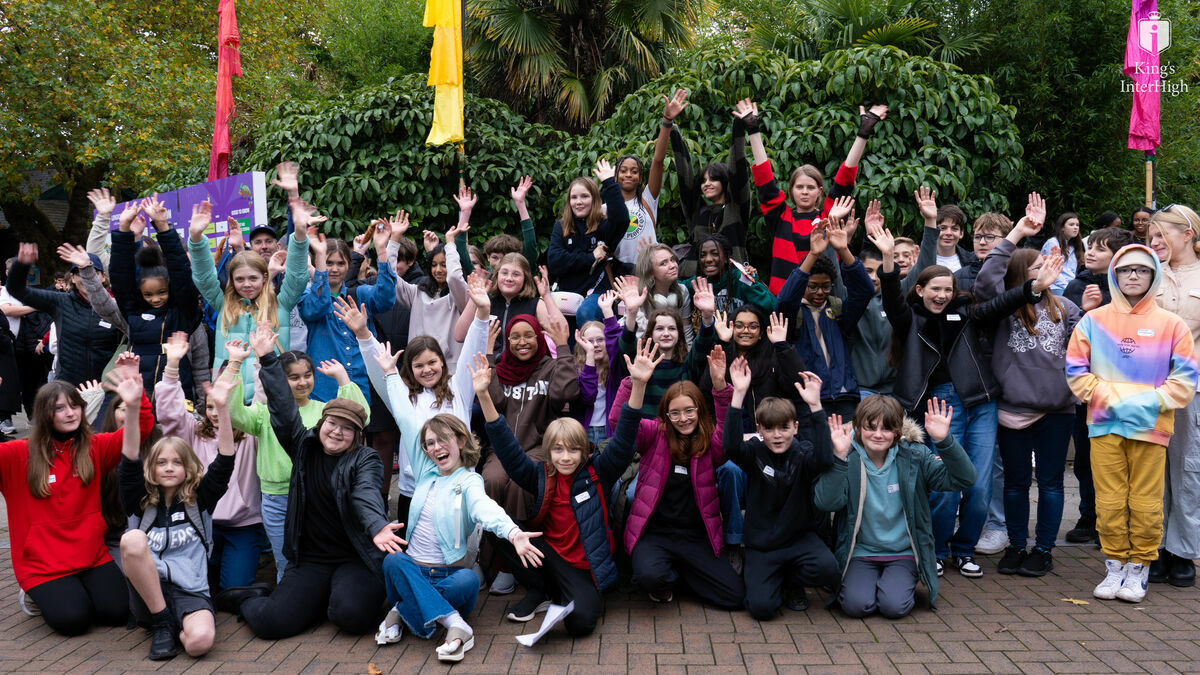
Soon after joining our school, Maxwell also got the opportunity to join an in-person King’s InterHigh trip to London Zoo. Emma came along, and noticed that by the end of the day, students were forming friend groups together and swapping contact details, even though they’d initially been shy. “I think because everybody was quite like-minded in the sense of how uncomfortable they found ordinary school,” Emma explains, “there was that mutual connection.”
A perfect fit in acting
Alongside finding his educational rhythm at King’s InterHigh, Maxwell has also been able to find another great fit in the world of acting. Patience, in particular, was another experience where his neurodivergence wasn’t just accommodated but included and celebrated.
The groundbreaking Channel 4 drama, which premiered this year, stands out among other crime shows for its commitment to authentic representation. When production company Eagle Eye began the casting process, they specifically sought actors with autism and ADHD to play the neurodivergent characters in the story.
In turn, Maxwell was able to contribute to a less commonly seen view of neurodivergence on television. Emma notes that portrayals of autism in media can tend to be “really over-the-top,” and that’s something that’s had a knock-on impact on real children and adults. “People get confused,” she explains, “and you’ll often get comments like, ‘Oh, they don’t look autistic.’”
On set, Maxwell found himself forming natural connections with his cast members — particularly with Ella Maisy Purvis, who plays the titular character, Patience. “The cast was really nice,” Maxwell shares. “It was just a fun workplace because no one was hostile. Everyone was friendly and welcoming.” Alongside the actors, many of the crew were also neurodivergent.
And, interestingly, Emma spotted something most people might not guess: the world of acting is particularly well suited to children like Maxwell. With a structured environment and framework to follow, it’s a place where autistic people don’t have to worry about what’s expected from them. “It’s scripted, there’s a routine to it and a plan, and you know exactly what the next person is going to say,” says Emma. “It’s a really relaxing environment for them.”
“What's lovely about acting for neurodivergent people is that functioning in a bricks and mortar school is painful and difficult and stressful — but put them on a film set or stage, and they come to life. It just feels like home.”
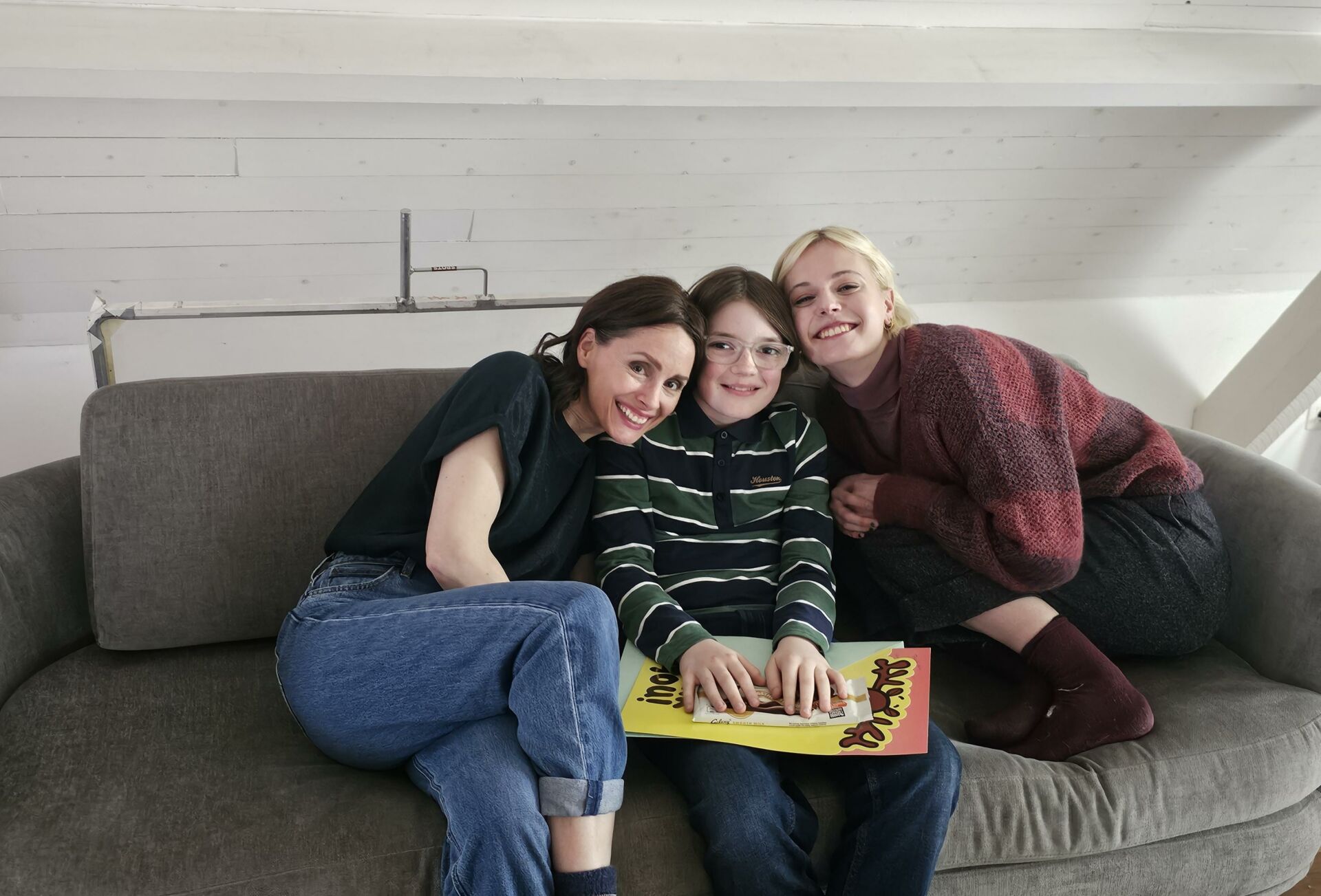
A world of possibilities
Beyond the screen, Maxwell continues to flourish in a range of passions. At his performing arts school, he’s preparing to play Hans in Frozen, embracing the challenge of musical theatre despite dancing not being his favourite.
When asked about his long-term ambitions, on the other hand, he revealed he’d love to be an exotic animal handler. What’s great about online learning is that young people can explore all the interests they have without compromise, from studying science and animal biology to acting in major productions. For Emma, meanwhile, the transformation has been profound and deeply personal.
“My motivation for King’s InterHigh was just wanting a happy child, a child who enjoys learning. The difference is amazing.”
From a daily battle to reach the school gates to a journey of growth on his own terms, Maxwell proves just how important it is for school to suit what makes each child unique. As he continues to build his future one script and one lesson at a time, we can’t wait to see what his future holds.
Share: