
Article February 6, 2025
Online safeguarding: How we ensure student safety in digital environments
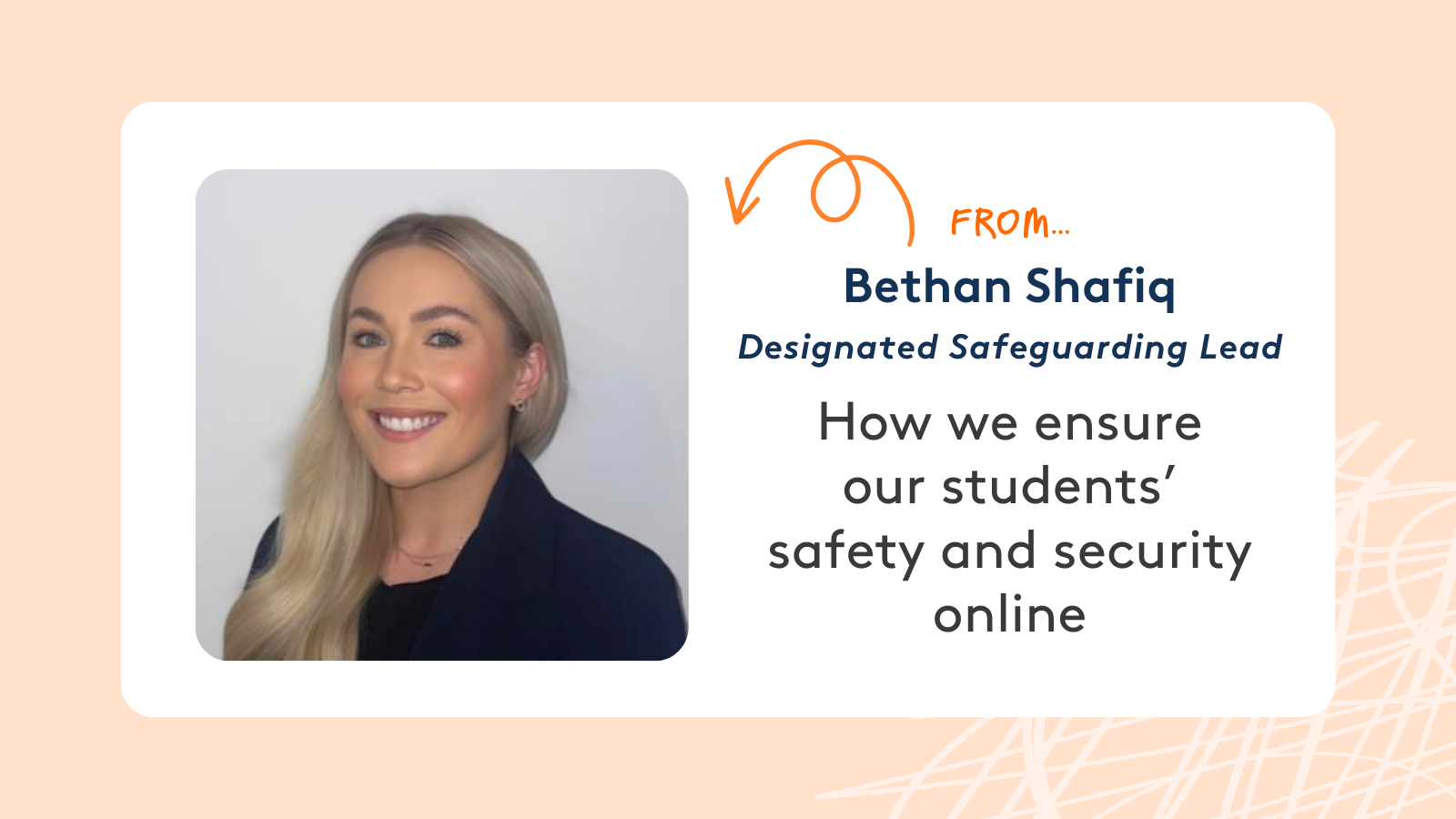
From Bethan Shafiq, Designated Safeguarding Lead at King's InterHigh
In our digital age, many parents understandably worry about their children’s safety online.
The internet has become a primary platform for students to learn, socialise, and engage with educational resources, and recent data shows just how central the online sphere is to young people’s lives.
The 10- to 15-year-olds’ Crime Survey for England and Wales (CSEW) showed that 92.6% of children went online daily or almost daily in the year ending March 2023, with 58.1% spending three or more hours a day online on an ordinary school day — an increase from 47.6% in the year ending March 2020.

While digital environments offer remarkable opportunities for growth, they also present numerous risks, including exposure to harmful content, cyberbullying, online predators, and data breaches. Ensuring the safety of students in these environments is paramount. Schools, parents, and technology providers must work together to protect young people from these dangers.
Within the King’s InterHigh framework, there are various strategies and best practices we use to safeguard our students in digital environments. We do this by always putting the safety of our students first and focusing on technological solutions, clear policies, and continuous adaptation to address emerging challenges and concerns, which enables us to keep our students safe.
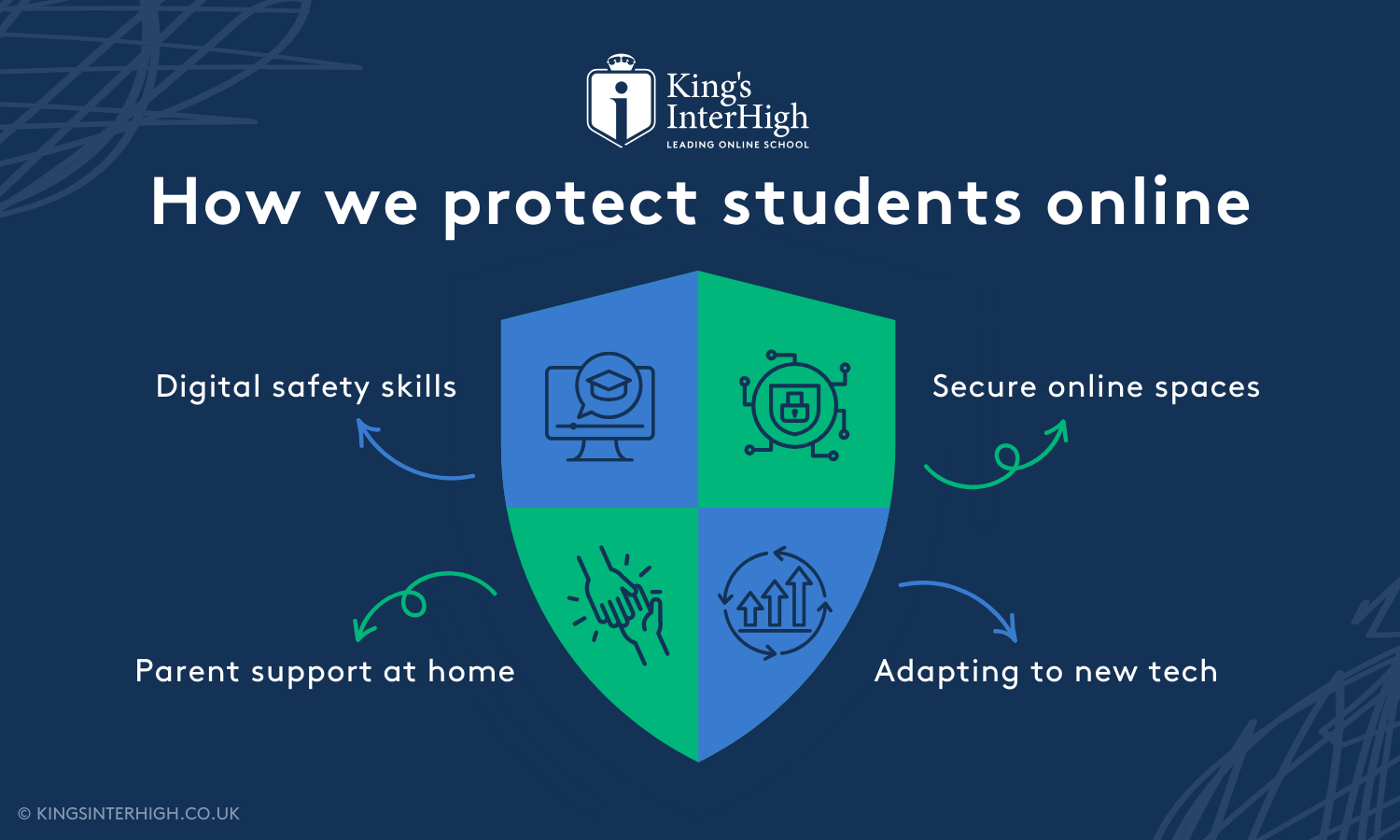
Teaching digital safety skills
We strongly believe that educating students about the risks of the digital space is the most effective way to empower students to make the most informed and safe decisions when it comes to their digital safety.
By teaching students how to navigate the digital world safely and responsibly, we equip them with the skills necessary to protect themselves from online threats. PSHE (personal, social, health and economic education) is an important part of our curriculum, and we follow a highly respected, quality-assured programme of study.
In particular, our comprehensive approach to online safety education covers two essential areas.
Practical digital safety skills
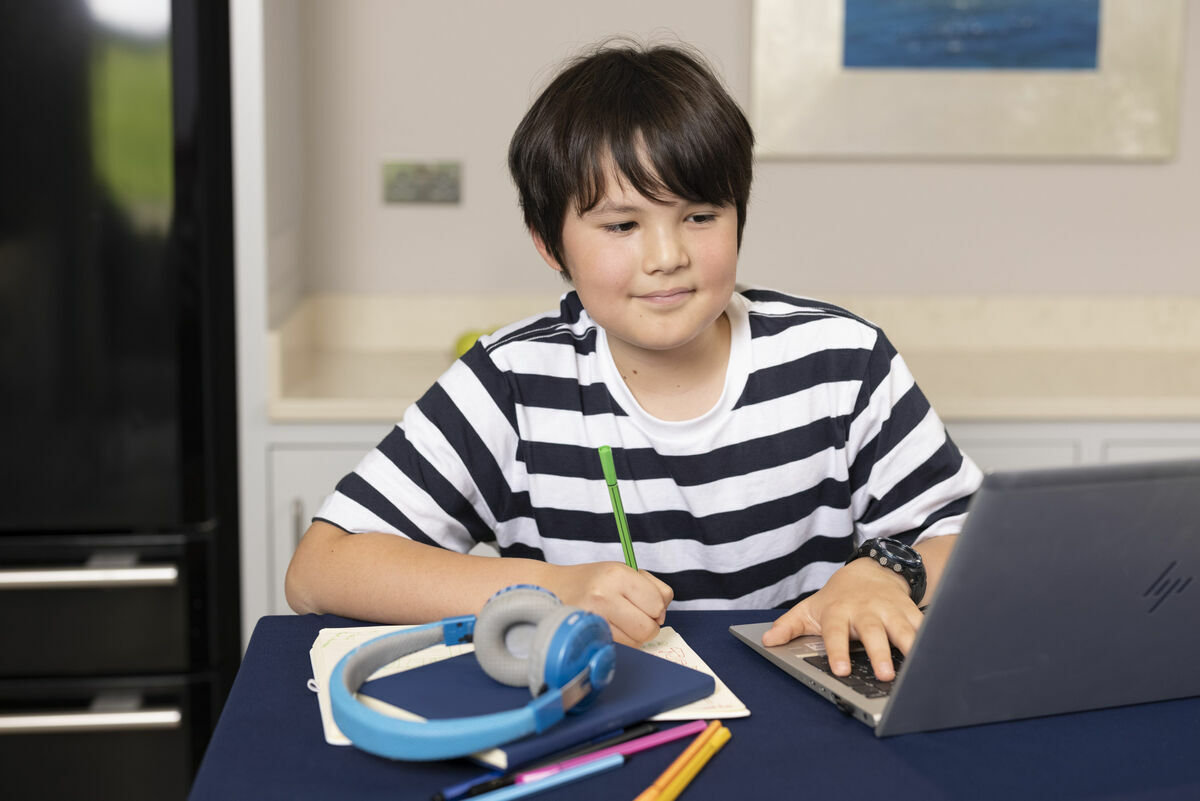
First, to protect students from online risks, our curriculum incorporates digital literacy and cybersecurity. This involves teaching students about the potential dangers of the internet, such as identity theft, malware, and online scams.
Students also learn how to create strong passwords, recognise phishing attempts, and identify suspicious online behaviour. This helps students understand the importance of protecting their personal data and using the internet in ways that minimise risks.
Social safety online
Second, and equally important, we focus intensively on online social safety and wellbeing. According to the Office for National Statistics, an estimated 847,000 children (19.1%) experienced some form of online bullying behaviour in 2023. This staggering figure highlights the importance of an educational programme that empowers students with the knowledge to recognise and identify cyberbullying and the harmful effects of online harassment.
In addition to this, we model and encourage empathy and respect in our students’ digital interactions. Our PSHE programme focuses on how to recognise cyberbullying, the emotional impact it can have on victims, and the importance of intervening when they witness bullying behaviour. We also provide students with information on how to report cyberbullying safely and confidentially, ensuring that victims feel supported and protected.
Creating safe digital spaces
This dual focus on practical skills and social safety helps students become confident, responsible digital citizens who can navigate online spaces safely and look out for themselves and others. In addition to providing effective online safety education for students, however, it is important to recognise that technology itself plays a crucial role in safeguarding students online.
Keeping Children Safe in Education 2024, a set of statutory guidelines provided by the government, highlights the importance of having appropriate filtering and monitoring systems in place to protect students and recognise any potential safeguarding concerns.
Our school social platform
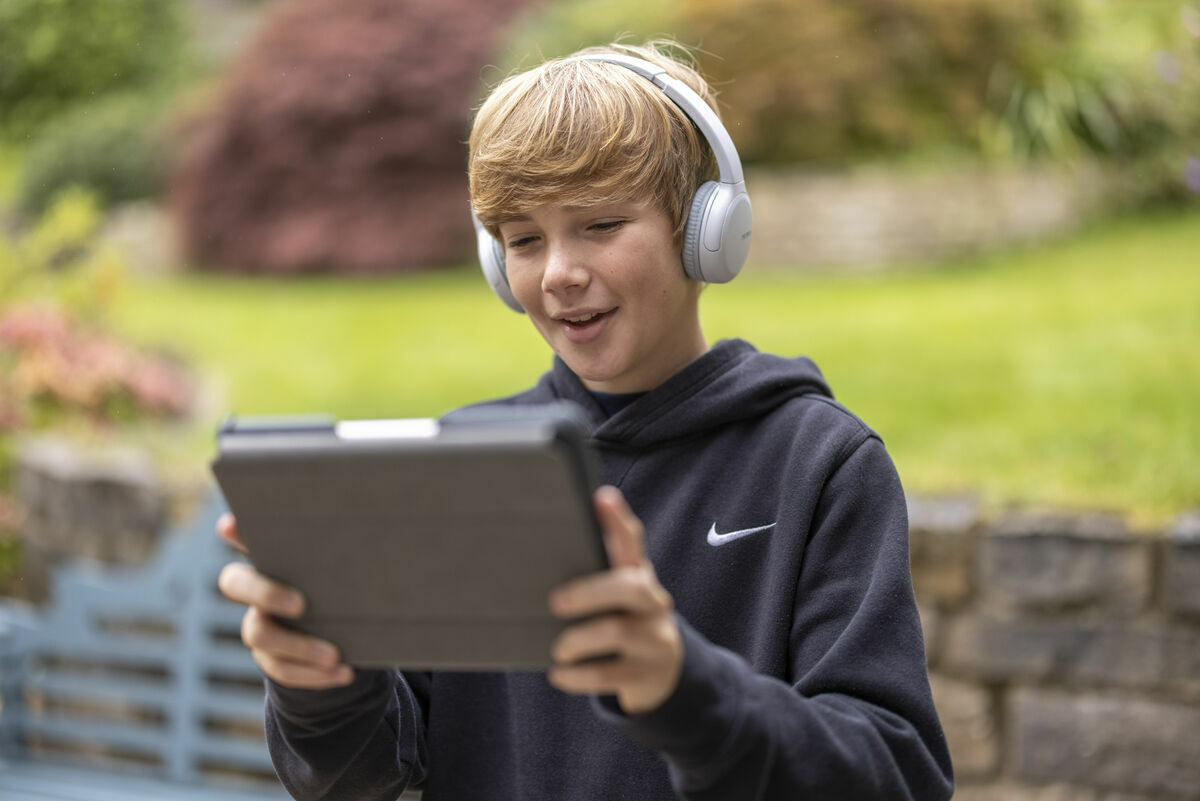
King’s InterHigh students have access to Viva Engage, a monitored platform that allows students to socialise with others across our community in a safe way. All students using the platform must first complete an induction process that highlights the rules of engagement. Viva Engage is also monitored with a sophisticated system that alerts our safeguarding team of any potential risks. Having these tools in place not only enhances security but also creates an environment where students feel safe to engage with digital learning platforms.
Highly secure systems
Ensuring that the digital tools used by students (such as learning management systems) are secure is essential for protecting our students’ data and keeping them safe online. We strongly adhere to privacy laws, such as the GDPR in Europe and the Data Protection Act 2018 in the UK, with strong privacy settings across our platforms. Secure logins, for example, protect sensitive information and prevent unauthorised access to student information.
Likewise, we are vigilant in making sure that any tools or platforms our students use follow comprehensive privacy policies, keeping regular contact with the educational technology providers we work with. To maintain the utmost security, we only collaborate with organisations that prioritise the protection of student data, incorporate robust privacy features, and comply with relevant regulations.
Strong, protective safeguarding
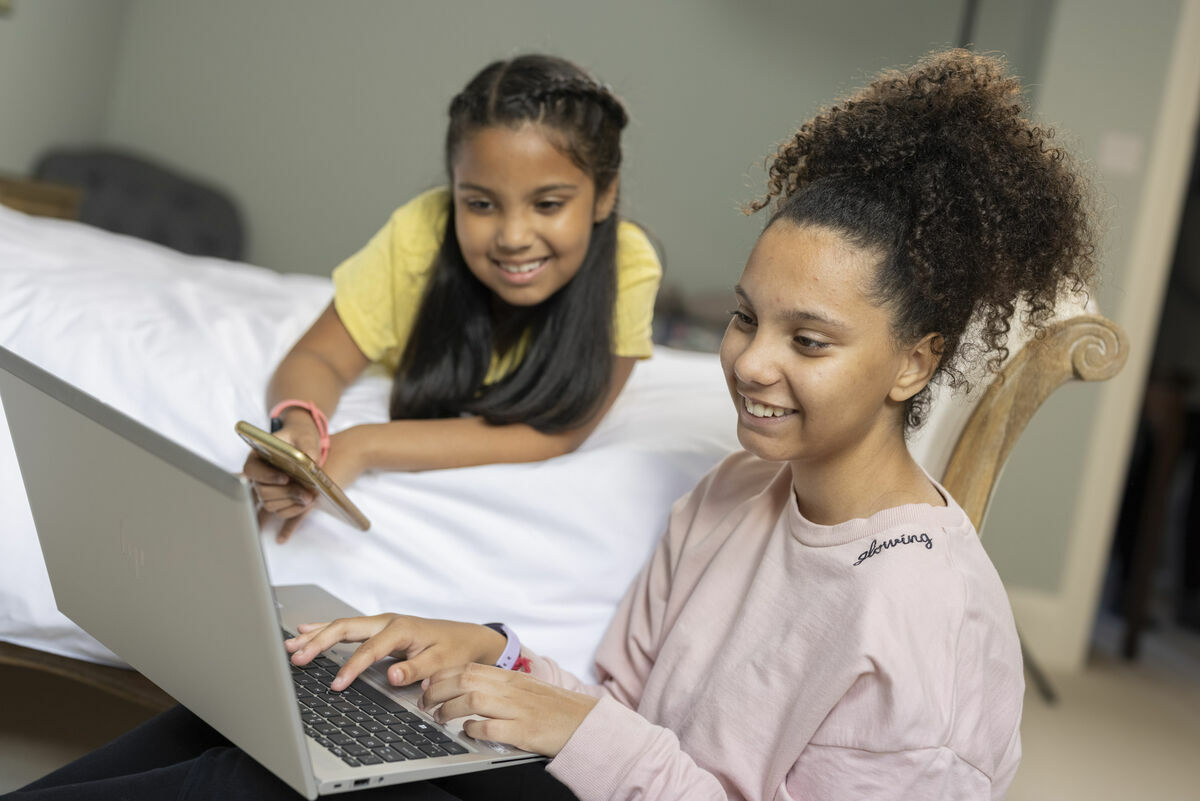
In addition to filtering and monitoring, we have implemented a clear and accessible reporting system that ensures the highest standards of safeguarding for our students. Students can also use our tools to report any concerns they may have about online behaviour, allowing us to swiftly investigate issues and support our learners.
Regular staff training
Our teachers and staff at King’s InterHigh are fiercely committed to protecting students, which is why we provide regular training to keep our educators informed about emerging online risks and new technologies.
Our trainings and round-the-clock safeguarding resources include updates on the latest trends in cyber threats, online safety best practices, and the newest digital tools used in classrooms. Staying informed equips our staff to be proactive in identifying any risks and addressing them effectively.
Supporting parents on the digital journey
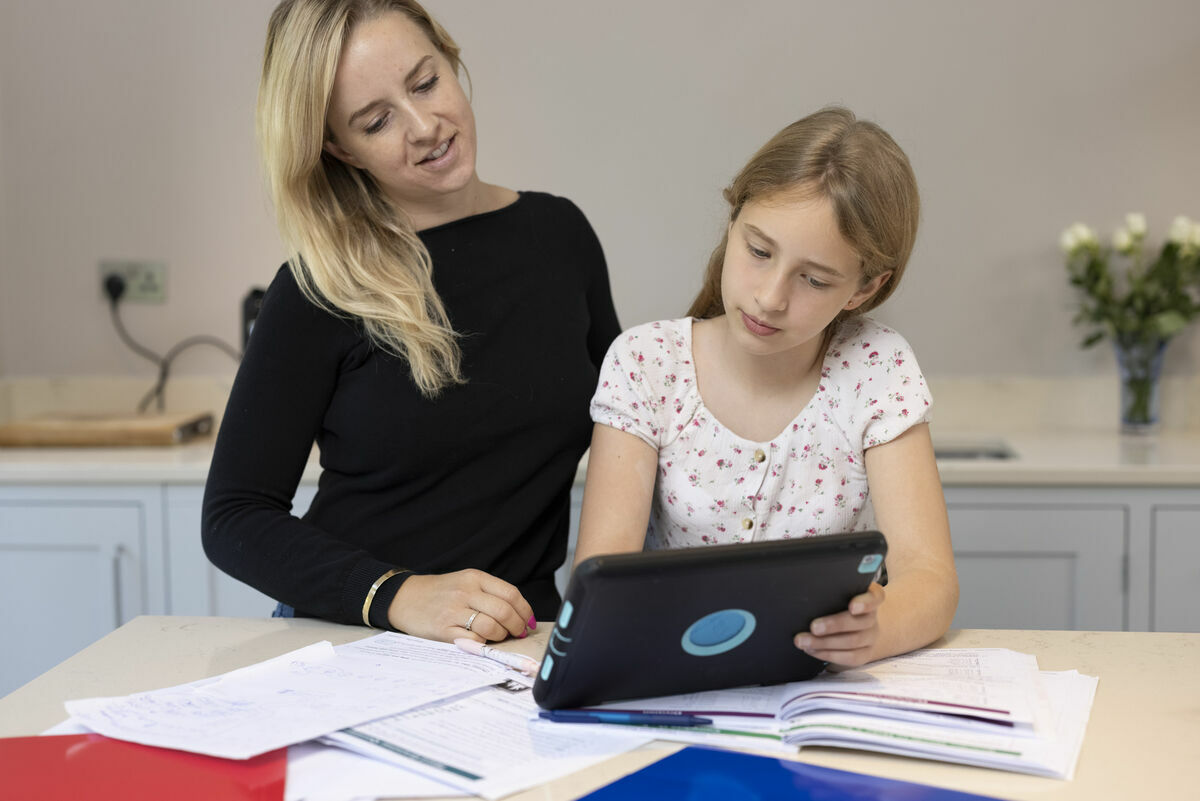
Given that our students may use the internet outside of school too, we believe it’s crucial to support parents and caregivers in navigating the online landscape. As part of our endeavour to guide families through these tricky waters, we provide regular key information on online safety in our newsletters to families.
From online behaviours to potential risks, we work to make sure that parents can maintain the same vigilance we uphold at home, whether students are accessing their online materials or using the internet for fun.
Adapting for the future
From virtual reality to artificial intelligence, technology has developed at an extremely rapid rate over the past few years, and it’s showing no signs of slowing down. To keep up with these changes, we regularly review and update our safety and security policies to reflect new technological developments and changes in regulations, as well as emerging themes which have the potential to pose risks to students’ safety online.
Through my years in education, it’s been clear that ensuring student safety in digital environments requires a multi-pronged approach that involves education, technology, policies, and community collaboration. By providing digital literacy programmes, using secure technological tools, enforcing clear policies, and engaging with parents and communities, schools can create a safe and supportive online learning environment.
Safeguarding students online is a collective effort that requires continuous adaptation to the evolving digital landscape. Only through this comprehensive approach can we ensure that students can explore the digital world safely and confidently.
Bethan Shafiq is our Designated Safeguarding Lead (DSL) at King’s InterHigh. With a wealth of experience in education, including leadership roles such as Vice Principal in charge of safeguarding and personal development, Bethan brings invaluable expertise to the role.
Share: